In modern video production, visual effects play a vital role in capturing attention and elevating storytelling. Among the most popular tools used by editors today are stock video overlays and light leaks. These elements add depth, atmosphere, and cinematic flair to footage without requiring complex production setups. Whether used in commercials, social media content, or cinematic projects, overlays and light leaks provide a creative way to enhance visual appeal and achieve a professional finish.
What Are Video Overlays and Light Leaks?
Video overlays are visual elements placed on top of existing footage to create specific effects or enhance the overall composition. These can include textures, film grain, dust particles, smoke, glitches, or color effects. Light leaks, on the other hand, simulate the effect of light entering a camera lens, producing soft flares, streaks, and warm color washes across the frame.
Originally, light leaks were considered a flaw in analog film cameras. Today, they are intentionally used as a stylistic effect to create a vintage, cinematic, or artistic look.
Both overlays and light leaks are widely available as stock assets, allowing editors to quickly integrate them into their projects.
Why Use Stock Overlays in Video Editing
Creating overlays from scratch requires time, expertise, and specialized tools. Stock footage libraries provide ready-made overlays that can be easily applied using common editing software such as Adobe Premiere Pro, Final Cut Pro, or DaVinci Resolve.
These assets are often delivered with transparent backgrounds or blending modes, making integration seamless. Editors can simply drag and drop the overlay onto their timeline and adjust opacity, blending mode, or color to achieve the desired effect.
For creators looking to save on production costs, accessing overlays through deals like a Shutterstock Coupon Code can make high-quality visual assets more affordable and accessible.
Types of Stock Overlays and Their Uses
Stock video overlays come in a wide variety of styles, each serving a different creative purpose.
Light Leaks and Lens Flares
These overlays add warmth and cinematic glow, perfect for storytelling, music videos, and lifestyle content.
Film Grain and Dust
Ideal for achieving a vintage or retro aesthetic, often used in documentaries or nostalgic edits.
Glitch Effects
Common in tech-related videos, trailers, or modern digital content, adding a sense of distortion and energy.
Smoke and Fog Effects
Used to create mood, mystery, or dramatic transitions in cinematic scenes.
Color Overlays and Gradients
Helpful for enhancing tone and visual consistency across different clips.
By combining multiple overlays, editors can build layered effects that add depth and visual interest to their videos.
Enhancing Storytelling Through Visual Effects
Overlays and light leaks are more than just decorative elements—they contribute to storytelling. Subtle use of light leaks can evoke emotion, suggest time transitions, or highlight key moments in a scene.
For example, warm light leaks can create a nostalgic or romantic mood, while cooler tones can convey a more modern or dramatic atmosphere. Strategic placement of overlays helps guide the viewer’s attention and enhances the overall narrative.
When used effectively, these effects blend naturally with the footage, creating a cohesive and immersive viewing experience.
Best Practices for Using Overlays
To maintain a professional look, it is important to use overlays with intention and moderation. Overusing effects can make a video appear cluttered or distracting.
Editors should ensure that overlays match the color grading, lighting, and style of the original footage. Adjusting opacity and blending modes can help achieve a more natural integration.
It is also essential to choose high-resolution overlays to maintain video quality, especially for commercial or high-definition projects.
Final Thoughts
Stock video overlays and light leaks are powerful tools that allow creators to enhance their video projects with minimal effort. They provide an efficient way to add cinematic effects, improve storytelling, and elevate overall production quality.
By sourcing high-quality assets and taking advantage of cost-saving options like a Shutterstock Coupon Code, editors can access a wide range of creative tools that bring their vision to life. When used thoughtfully, overlays and light leaks transform ordinary footage into visually compelling and professional content.
In today’s visually-driven world, stock photos have become essential for anyone looking to enhance their content. Whether I’m crafting a blog post or designing a presentation, the right image can speak volumes and capture attention instantly. Stock photos offer a treasure trove of high-quality visuals that can elevate my projects without breaking the bank.
What Are Stock Photos?
Stock photos are professional images available for licensing, often offered by agencies or online platforms. These images cover various subjects, including landscapes, people, and objects, creating a vast library of options. Typically, creators take stock photos to sell rights for one-time or multiple uses, allowing buyers to access high-quality visuals without hiring a photographer.
Stock photos serve multiple purposes, such as supporting marketing campaigns, enhancing website content, and providing imagery for social media posts. By choosing stock photos, designers and content creators save time and resources while obtaining visuals that resonate with their audience. Well-chosen stock photos can transform ordinary content into visually appealing material, increasing engagement.
Benefits of Using Stock Photos
Stock photos offer numerous advantages for creators, enhancing both content quality and accessibility at a lower cost. Below are key benefits.
Cost-Effective Solutions
Stock photos provide affordable options compared to hiring professional photographers. Licensing a stock photo costs significantly less, often ranging from $1 to $50 per image, depending on the source and usage rights. Bulk purchasing often leads to discounted rates. These cost-effective solutions enable me to allocate funds to other critical areas of my projects, maximizing resource efficiency.
Variety and Versatility
Stock photos come in extensive collections, covering countless subjects and themes. Agencies often house millions of images, ensuring options exist for every niche and style. This variety allows me to find visuals suitable for specific campaigns or target audiences quickly. Versatile formats, including portraits, landscapes, and abstracts, help me adapt images for different platforms, whether blog posts, social media, or presentations. By utilizing stock photos, my projects gain depth and appeal without compromise.
Types of Stock Photos
Various types of stock photos exist to cater to different needs and use cases. Understanding these types can enhance the selection process for projects.
Royalty-Free vs. Rights-Managed
Royalty-Free: This type allows for unlimited use after the initial purchase. Buyers can use the images for multiple projects without incurring additional fees, making it cost-effective for marketers and designers.
Rights-Managed: Rights-managed stock photos require payment based on specific usage terms, such as duration and geographical location. These images often come with restrictions that limit how and where they can be used, making them suitable for high-value projects that demand exclusivity.
Editorial vs. Commercial Use
Editorial Use: This designation covers images used for news articles or blogs and is not allowed for promotional purposes. Editorial stock photos often depict real-life events or people, providing context and storytelling for journalistic content.
Commercial Use: Commercially licensed stock photos allow for advertising, marketing, and any other promotional activities. Creators can use these visuals in campaigns without restrictions, enhancing brand visibility and engagement.
Popular Stock Photo Websites
I rely on several trusted stock photo websites to source high-quality visuals for my projects. Each platform offers unique features and diverse collections. Here are some of the most popular options:
Shutterstock
Shutterstock boasts over 300 million images, making it a go-to resource for stock photos. It provides flexible pricing plans and extensive search filters for specific themes.
Adobe Stock
I find Adobe Stock integrates well with Creative Cloud applications, streamlining the creative process. It offers millions of stock photos and a seamless user experience, perfect for designers.
Getty Images
Getty Images features a vast selection of premium stock photos. It focuses on high-quality imagery suitable for editorial use and commercial projects, although prices can be higher than other platforms.
iStock
iStock, a subsidiary of Getty Images, offers affordable stock photos without compromising quality. Its tiered pricing structure helps me choose images that fit different budgets.
Unsplash
Unsplash provides free stock photos under a generous license. I frequently use it for creative projects where budget constraints exist, offering unique visuals contributed by photographers.
Pexels
Pexels also offers free stock photos, emphasizing community engagement. Users submit images, leading to a varied collection that’s continually updated.
Depositphotos
Depositphotos combines a large library of stock photos with flexible subscription plans, making it a practical choice for frequent users. It offers a diverse range of themes and subjects.
Each of these stock photo websites serves my needs differently, ensuring access to the right visuals for any project.
Tips for Choosing the Right Stock Photos
Choosing the right stock photos requires careful consideration to align visuals with your project’s goals. Here are several tips to ensure effective selection:
Define your project’s theme: Identify the primary message or emotion you want to convey. Selecting images that resonate with your theme enhances overall impact.
Consider your target audience: Understand your audience’s preferences. Stock photos that reflect their interests or demographics help foster a stronger connection.
Focus on image quality: High-resolution stock photos attract attention and ensure clarity across different media formats. Images with sharp detail and vibrant colors enhance visual appeal.
Verify licensing details: Ensure the stock photos are licensed correctly. Be aware of usage rights; whether you require Royalty-Free for unlimited use or Rights-Managed for specific applications.
Evaluate composition and spacing: Look for images that allow space for text or other design elements. Ideal stock photos should facilitate easy integration into your layout.
Check for authenticity: Seek genuine representations in stock photos. Images that depict real-life scenarios or emotions engage viewers more effectively than overly staged scenes.
Explore diversity: Choose stock photos that represent a range of perspectives and experiences. Diversity contributes to inclusivity and relevance within your projects.
Utilize search filters: Make the most of search tools on stock photo websites. Filtering by color, orientation, or style can streamline the selection process.
Incorporating these tips can significantly enhance the quality of your visuals, making stock photos an invaluable asset in your content creation arsenal.
Conclusion
Stock photos are a game changer for anyone looking to enhance their content without breaking the bank. They provide access to a treasure trove of high-quality visuals that can elevate any project.
By understanding the different types of stock photos and how to choose the right ones, I can ensure my visuals resonate with my audience and align with my goals. Whether I’m working on a blog post, marketing campaign, or social media content, stock photos offer the flexibility and variety I need to create engaging material.
Embracing stock photos not only saves me time and resources but also transforms my content into something visually stunning and impactful.
Creating a memorable event card requires more than just putting together basic information. Your event card serves as the first impression and sets the tone for what guests can expect. From weddings to corporate gatherings every detail matters in capturing attention and conveying the right message.
When you’re designing an event card you’ll need to consider various elements including typography color schemes and layout composition. These components work together to create a cohesive design that reflects the event’s purpose and style. Whether you’re aiming for elegant sophistication or modern minimalism your design choices will influence how potential attendees perceive and respond to your invitation.
Understanding Event Card Design Fundamentals
Event card design combines strategic visual elements with purposeful composition to create impactful invitations. The foundational aspects of card design determine how effectively your message reaches its intended audience.
Key Elements of an Event Card
Typography: Select 2-3 complementary fonts that enhance readability at varying sizes
Color Palette: Use 3-4 coordinated colors that align with the event’s theme
Visual Hierarchy: Position essential information (date, time, location) in order of importance
White Space: Maintain 15-20% empty space to prevent visual clutter
Image Selection: Include high-resolution graphics at 300 DPI minimum
Paper Quality: Choose stock between 80-100 lb weight for optimal durability
Design Principles for Event Cards
Balance
Center alignment for formal events
Asymmetrical layouts for modern gatherings
Equal distribution of visual weight across the card
Contrast
70% difference between background & text colors
Varied font sizes (18pt headlines, 12pt body text)
Distinct separation between design elements
Unity
Consistent spacing (0.25″ margins minimum)
Repeated design motifs throughout
Matching color schemes on front & back
Emphasis
Primary information scaled 30% larger
Strategic use of bold or italicized text
Focal points placed at optical centers
Design Element
Standard Dimensions
Recommended Specs
Card Size
5″ x 7″
Portrait orientation
Margins
0.25″ – 0.5″
All sides
Font Size
10pt – 18pt
Title: 16-18pt, Body: 10-12pt
Resolution
300 DPI
CMYK color mode
Choosing the Right Color Schemes
Color selection forms the foundation of effective event card design, establishing the emotional connection with recipients while conveying the event’s purpose. The strategic use of colors influences perception, sets the mood, and guides visual attention across the invitation’s elements.
Color Psychology for Events
Color meanings evoke specific emotional responses in event card design:
White represents purity and elegance – ideal for weddings and formal galas
Blue conveys trust and professionalism – perfect for corporate events
Red signifies energy and excitement – suited for celebrations and festivals
Green suggests growth and harmony – appropriate for outdoor and eco-friendly events
Purple communicates luxury and creativity – effective for high-end gatherings
Black projects sophistication and exclusivity – works for black-tie affairs
Creating Visual Hierarchy Through Color
Use darker shades for primary text elements like event names and dates
Apply brighter hues to highlight key details such as venue locations and RSVP instructions
Incorporate complementary colors to separate different information sections
Maintain 60-30-10 color distribution:
60% dominant color for backgrounds
30% secondary color for supporting elements
10% accent color for calls-to-action
Color Purpose
Recommended Contrast Ratio
Example Usage
Primary Text
4.5:1 minimum
Event title, date
Secondary Text
3:1 minimum
Location details
Decorative Elements
2:1 minimum
Borders, patterns
Typography Best Practices
Typography forms the foundation of effective event card design, serving as a crucial element in conveying information and establishing the event’s tone.
Font Selection and Pairing
Select fonts that align with your event’s character while maintaining legibility. Pair a maximum of 2-3 complementary typefaces:
Display fonts (Didot, Baskerville) for titles capture attention
Sans-serif fonts (Helvetica, Futura) for modern events enhance readability
Serif fonts (Garamond, Caslon) for formal occasions add elegance
Script fonts (Copperplate, Snell Roundhand) for wedding invitations create sophistication
Font combinations to consider:
Primary Font
Secondary Font
Event Type
Didot
Futura
Gala Events
Baskerville
Helvetica
Corporate Functions
Copperplate
Garamond
Formal Weddings
Brandon Grotesque
Montserrat
Modern Celebrations
Text Hierarchy and Readability
Create clear visual hierarchy through strategic text formatting:
Headlines: 24-32pt font size for event names
Subheadings: 18-24pt font size for date time location
Body text: 10-12pt font size for additional details
Line spacing: 120-150% of font size ensures optimal readability
Text alignment: Center alignment for formal cards left alignment for modern designs
Contrast ratios: 4.5:1 minimum for body text 7:1 for small text
Element
Specification
Letter spacing
0.5-1.5px for headlines
Word spacing
0.25-0.5em for body text
Margin
0.75-1 inch from card edges
Paragraph spacing
1.5x the line height
Visual Elements and Graphics
Visual elements transform event cards from simple text documents into engaging invitations that capture attention. These design components establish the event’s aesthetic while conveying essential information through a balanced mix of graphics text.
Icons and Illustrations
Event card illustrations enhance communication through simple yet impactful visual elements:
Select icons that match the event theme – champagne glasses for celebrations ornate flourishes for formal occasions
Use vector graphics to maintain quality across different sizes print formats
Incorporate line weights between 0.25pt 2pt for optimal visibility reproduction
Place decorative elements symmetrically to frame key information create visual flow
Limit illustrations to 2-3 key elements preventing visual clutter maintaining focus
Choose monochromatic or complementary color schemes for icons maintaining design cohesion
Photography and Image Placement
Image Specifications
Requirements
Resolution
300 DPI minimum
Color Mode
CMYK for print
Safe Zone
0.125″ from edges
File Format
High-res JPEG TIFF
Position feature images in the top third of the card drawing immediate attention
Maintain 60% image 40% text ratio for balanced composition
Add subtle vignettes or overlays to improve text legibility over photos
Create focal points through asymmetrical image placement negative space
Use high-contrast photos that align with the color palette theme
Apply consistent photo treatments filters across all visual elements
Digital vs Print Event Cards
Digital and print event cards require distinct design approaches due to their unique display environments and user interaction methods. Each medium presents specific opportunities and limitations for creating impactful invitations.
Designing for Different Mediums
Digital event cards accommodate dynamic elements with RGB color spaces at 72 DPI resolution. Print cards demand CMYK colors at 300 DPI with 1/8 inch bleeds for professional printing. Here’s a comparison of design specifications:
Design Element
Digital Cards
Print Cards
Resolution
72 DPI
300 DPI
Color Space
RGB
CMYK
Safe Zone
20px margin
1/4 inch margin
File Format
PNG, JPG, GIF
PDF, AI, PSD
Typography Size
14-16px body text
10-12pt body text
Interactive Design Elements
Digital event cards transform static designs into engaging experiences through:
Animated transitions between card sections
Clickable RSVP buttons with instant response tracking
Video elements showcasing venue tours or event previews
Live countdown timers to event dates
Interactive maps with venue directions
Social media integration for sharing capabilities
Dynamic QR codes linking to event websites
Embossed textures highlighting key design elements
Metallic foil accents emphasizing formal details
Die-cut patterns creating dimensional effects
Spot UV coating adding selective shine
Letterpress impressions providing depth
Custom paper stocks enhancing visual impact
Event Card Templates and Tools
Event card creation becomes streamlined with professional design tools software solutions. These resources enable both novice designers professional event planners to create polished invitations efficiently.
Popular Design Software Options
Professional design software provides robust capabilities for creating custom event cards:
Adobe Creative Suite
Illustrator: Creates scalable vector graphics for logos symbols
InDesign: Specializes in layout design typography management
Canva: Offers drag-drop interface with 10,000+ event card templates
Figma: Enables real-time collaboration with cloud-based design tools
Affinity Designer: Provides professional features at a lower cost point
Software
Best For
Key Features
Canva
Beginners
10,000+ templates drag-drop interface
Adobe Suite
Professionals
Advanced tools comprehensive control
Figma
Teams
Real-time collaboration cloud storage
Customizable Template Resources
Template marketplaces offer pre-designed event card layouts for quick customization:
Online Marketplaces
Creative Market: Features 5,000+ premium event card templates
Envato Elements: Provides unlimited downloads from 50,000+ designs
Template.net: Offers both free premium event card options
Moo: Includes customizable templates with print ordering
VistaPrint: Features industry-specific event card designs
Platform
Template Count
Price Range
Creative Market
5,000+
$10-50
Envato Elements
50,000+
$16.50/month
Template.net
1,000+
$5-25
Conclusion
Creating an exceptional event card requires careful consideration of design fundamentals typography color psychology and visual elements. By applying these principles you’ll craft invitations that not only inform but also captivate your audience.
Whether you choose digital or print format ensuring proper implementation of design elements will help you create a lasting impression. With the right tools and templates at your disposal you’re well-equipped to design event cards that perfectly capture the essence of your occasion.
Remember that a well-designed event card serves as both an invitation and a preview of the experiences your guests can anticipate. Let your creativity shine through while maintaining professional standards and your event cards will surely stand out.
We’ve all been there – staring at our screens desperately searching for that perfect stock photo while our wallets cry at the sight of those premium prices. But what if we told you there’s a way to snag those stunning visuals without breaking the bank?
What Is iStock and Why Use It
iStock stands as Getty Images’ powerhouse platform, offering a vast collection of 100+ million premium photos, vectors, videos, and audio files. It’s like having a digital art gallery at your fingertips, minus the security guards following you around.
Here’s what makes iStock a go-to resource:
Diverse Content Types: Browse through high-resolution photos, illustrations, vectors, videos, and audio files
Quality Control: Each file undergoes rigorous inspection to maintain professional standards
Legal Protection: Download files with complete licensing protection for commercial use
Simple Search: Find specific content using advanced filters, categories, and keywords
Flexible Plans: Choose between pay-as-you-go credits or monthly subscriptions
Unlike other platforms, including Adobe Stock for Creative, iStock maintains a perfect balance between quality and affordability. The platform features two distinct collections:
Collection Type
Image Quality
Price Range
Signature
Premium, Exclusive
$24-$33/image
Essentials
Standard, Popular
$12-$15/image
The best part? We can snag these professional visuals at even lower prices using an iStock promo code. Think of it as getting VIP access to a premium content warehouse without the premium price tag.
Regular Updates: Fresh content added daily
Multi-device Access: Download files from any device
Quick Downloads: Instant access to purchased content
Customizable Boards: Create collections for different projects
Clear Attribution: Transparent credit requirements for each asset
Types of iStock Subscriptions Available
iStock offers flexible subscription options that cater to different content needs and budgets. Let’s explore these options with a dash of humor because who doesn’t love saving money while getting amazing visuals?
Credit Packs
Credit packs are like a digital piggy bank for iStock downloads. Here’s what makes them special:
Purchase credits in bundles of 1 to 300 credits
Credits remain valid for 12 months from purchase date
Download any combination of photos vectors or illustrations
Use iStock promo codes to get bonus credits on larger packs
Perfect for occasional users or one-time project needs
Credit Pack Size
Standard Price
Typical Price with Promo Code
1 Credit
$12
$8-10
30 Credits
$240
$180-200
60 Credits
$400
$320-360
Choose between 10 50 or 750 downloads per month
Access both Essential and Signature collections
Share downloads among team members
Rollover unused downloads to the next month
Cancel anytime without penalties
Subscription Type
Monthly Downloads
Starting Price
Basic
10
$29
Standard
50
$99
Premium
750
$199
How to Find Valid iStock Promo Codes
Finding legitimate iStock promo codes feels like a treasure hunt, but we’ve got the map to guide you through this money-saving adventure. Let’s explore the most reliable places to discover active discount codes that actually work.
Official iStock Deals Page
The official iStock deals page serves as your one-stop destination for verified promo codes. Here’s what you’ll find:
Sign up for the iStock newsletter to receive exclusive promo codes
Check the homepage banner for featured promotional offers
Browse the dedicated deals section for bundle discounts
View current credit pack promotions with automatic discounts
Access special rates for first-time subscribers
Monitor limited-time flash sales on specific content categories
Black Friday deals offering up to 25% off on credit packs
Cyber Monday specials with increased subscription discounts
Holiday season promotions during December
New Year sales featuring annual subscription discounts
Spring cleaning deals on popular image categories
Summer flash sales with 24-hour discount codes
Season
Average Discount
Duration
Black Friday
25%
1 week
Cyber Monday
20%
24 hours
Holiday Season
15%
2 weeks
New Year
30%
1 week
Spring
10%
3 days
Summer
15%
24 hours
How to Apply an iStock Promo Code
Log into Your Account
Navigate to istock.com
Click the “Sign In” button in the top-right corner
Enter your login credentials
Select Your Content
Browse through millions of available assets
Click the download button next to your chosen image
Select your preferred purchase option (credits or subscription)
Enter the Promo Code
Look for the “Apply Promo Code” or “Have a Promo Code?” link
Click to expand the promo code field
Type or paste your iStock promo code into the box
Hit “Apply” to activate the discount
Verify the Discount
Check that the total amount reflects the expected discount
Confirm the promotion details in your cart
Remove and re-enter the code if needed
Complete Your Purchase
Choose your preferred payment method
Review the final discounted price
Click “Complete Purchase” to finish
Common Promo Code Issues
Quick Fix
Case sensitivity
Type exactly as shown
Expired code
Check expiration date
Invalid format
Remove extra spaces
Usage limits
Verify one-time vs. multiple use
Remember: One promo code per purchase works on iStock, so choose the highest value discount code for maximum savings.
Best Ways to Save Money on iStock
We’ve uncovered the smartest strategies to stretch your stock photo budget on iStock without compromising on quality. Here’s how to maximize your savings while building your creative arsenal.
Bundle Deals
iStock’s bundle deals pack a serious punch for your wallet. Credits purchased in bulk offer savings up to 33% off regular prices for packages of 60+ credits. The larger bundles include:
60 credits at $520 ($8.67 per credit)
150 credits at $1,200 ($8.00 per credit)
300 credits at $2,400 ($7.50 per credit)
Credit Bundle
Total Cost
Cost Per Credit
Savings
60 credits
$520
$8.67
20%
150 credits
$1,200
$8.00
26%
300 credits
$2,400
$7.50
33%
Referral Programs
iStock’s referral program turns you into a savings superhero. Here’s what you get:
$20 credit for each new referred customer
Referred friends receive 10% off their first purchase
No limit on referral earnings
Credits automatically added to your account
Referral bonuses stack with other promotions
These savings opportunities combined with iStock promo codes create a powerful combo for maximum discounts. Each referral adds up, making it a fantastic way to build your image library while keeping costs down.
Common Issues When Using Promo Codes
Let’s face it – even with an iStock promo code in hand, things don’t always go as smoothly as we’d like. Here are the most frequent hiccups users encounter:
Code Case Sensitivity
Entering “SAVE20” instead of “save20” leads to rejection
Mixing uppercase and lowercase characters causes validation errors
Copy-pasting from emails sometimes adds hidden characters
Expired Codes
Codes typically expire after 30 days
Seasonal promotions end at specific times
Holiday deals vanish faster than leftover pizza at midnight
Usage Restrictions
Some codes work only for credit purchases
Others apply exclusively to subscription plans
First-time customer codes can’t be used on existing accounts
Minimum Purchase Requirements
Credit pack codes need minimum credit amounts
Subscription codes require specific plan selections
Bundle deals demand multiple items in cart
Technical Glitches
Browser cache issues block code application
Payment processing timeouts clear applied codes
Website maintenance periods affect code validation
Multiple Code Attempts
System blocks accounts after numerous invalid attempts
Only one code works per transaction
Combining codes isn’t possible, even if we wish it were
Geographic Limitations
Some codes work only in specific countries
Regional promotions exclude certain territories
Currency differences affect code validity
These obstacles might seem like speed bumps on the road to savings, but understanding them helps avoid those frustrating “invalid code” messages that make us want to throw our keyboards out the window.
Conclusion
We’ve shared all our sneaky secrets to scoring sweet deals on iStock – and boy, what a wild ride it’s been! Now you’re armed with enough money-saving tricks to make any penny-pincher proud. From credit bundles to referral programs we’ve got you covered like a perfectly-composed stock photo.
Remember folks: hunting for promo codes isn’t just about saving money – it’s about feeling like a savings superhero in a world of expensive visuals. So go forth and conquer those discounts! Your wallet will thank you and your projects will shine brighter than a model’s perfectly whitened smile in a dental ad photo.
Happy hunting and may the savings be ever in your favor! 🎯
Adobe Images have revolutionized the way we create capture and edit visual content in our digital world. From stunning photographs to eye-catching graphics Adobe’s suite of image tools has become the industry standard for professionals and enthusiasts alike.
We’ve seen Adobe’s imaging solutions evolve from basic photo editing to sophisticated AI-powered tools that transform the way we work with visual content. Whether you’re using Photoshop Lightroom or Adobe Stock these powerful platforms offer endless possibilities for bringing creative visions to life and delivering professional-quality results that captivate audiences across all digital channels.
What Are Adobe Images?
Adobe images represent digital visual content created, edited, or distributed through Adobe’s ecosystem of creative applications. These images exist in various formats including JPEG, PNG, PSD, TIFF, and RAW files that integrate seamlessly across Adobe’s platforms.
Adobe Stock Collection
Adobe Stock houses over 300 million professional-grade images, including photos, illustrations, vectors, and 3D assets. Each image in the collection undergoes quality verification ensuring technical standards like resolution, composition, and metadata compliance. Professional contributors supply new content daily, ranging from lifestyle photography to abstract digital art.
Adobe Creative Cloud Integration
Adobe images connect directly with Creative Cloud applications through built-in libraries and panels. Users access Adobe Stock content without leaving their workspace in apps like:
Photoshop – Edit stock photos with non-destructive adjustments
Illustrator – Place vector graphics with preserved layers
InDesign – Drop high-resolution images into layouts
Premiere Pro – Import still assets for video projects
Direct licensing of watermarked previews
Automatic replacement with full-resolution files
Synchronized asset management across devices
Shared libraries for team collaboration
Feature
Benefit
Cloud Storage
100GB minimum storage space
File Formats
20+ supported image formats
Max Resolution
Up to 500 megapixels
Version History
30-day file recovery
Key Features of Adobe Image Formats
Adobe image formats offer distinctive capabilities that enhance digital content creation through specialized file types and advanced compatibility features. Here’s a detailed look at their core characteristics:
Vector vs Raster Graphics
Adobe’s ecosystem supports both vector and raster image formats, each serving unique purposes in digital content creation. Vector graphics in formats like AI and EPS maintain quality at any scale through mathematical equations, making them ideal for logos, icons, and illustrations. Raster formats such as PSD and JPEG consist of pixel grids, excelling in photographs and complex images with subtle color variations.
File Type Compatibility
Adobe formats integrate seamlessly across the Creative Cloud suite, enabling efficient workflows between applications. PSD files open directly in Photoshop, Illustrator, and InDesign, while AI files maintain editability in multiple Adobe programs. The formats support:
Direct import into Adobe Stock for Creative distribution
Cross-platform compatibility between Windows and macOS
Integration with third-party applications through standardized plugins
Export options to web-optimized formats like JPEG, PNG, and SVG
Multi-layer preservation when transferring between Adobe applications
Format
Vector/Raster
Max File Size
Primary Uses
PSD
Raster
2GB
Photo editing, Digital art
AI
Vector
2GB
Logos, Illustrations
PDF
Both
15GB
Documents, Print media
EPS
Vector
No limit
Print graphics
Working with Adobe Images
Adobe’s image editing applications provide comprehensive tools for manipulating digital content. These integrated solutions streamline workflows from basic adjustments to complex transformations.
Basic Editing Tools
Adobe’s fundamental editing tools enable essential image modifications:
Crop Tool adjusts image dimensions through preset ratios or custom specifications
Exposure controls modify image brightness with precision sliders
Color correction tools balance temperature warmth tints
Spot healing brush removes unwanted elements automatically
Quick selection tool isolates specific image areas in seconds
Layer opacity adjusts transparency levels from 0-100%
Filter gallery applies artistic effects with real-time previews
Content-Aware Fill generates matching backgrounds when removing objects
Neural Filters leverage AI to modify expressions age lighting
Smart Objects preserve original image quality during transformations
Masking tools create complex selections using channels paths
Adjustment Layers enable non-destructive edits with full reversibility
Adobe Stock integration provides direct access to over 300 million professional images
Blend modes combine layers through 27 mathematical algorithms
Camera Raw processes uncompressed image data with maximum control
Feature Type
Basic Tools
Advanced Features
Processing Speed
Real-time
Variable
Learning Curve
1-2 weeks
3-6 months
Storage Requirements
2-5 GB
10-20 GB
File Format Support
5 formats
15+ formats
GPU Acceleration
Partial
Full
Adobe Image Licensing Options
Adobe offers flexible licensing solutions for digital assets through Adobe Stock, providing creators access to millions of high-quality images. The platform integrates seamlessly with Creative Cloud applications for efficient workflow management.
Royalty-Free Images
Adobe Stock’s royalty-free license grants perpetual rights to use images across multiple projects without additional fees. Users receive:
Standard licenses for up to 500,000 impressions per image
Multi-seat access for team collaboration
Print usage rights for marketing materials
Digital distribution permissions for websites social media
Extended licenses for merchandise product resale
Indemnification coverage up to $10,000 per image
Premium Content Access
Adobe Stock for Creative professionals includes exclusive premium content with enhanced licensing options:
Premium Feature
Details
Image Resolution
Up to 8K (7680×4320)
Monthly Downloads
10-750 assets
Exclusive Content
100M+ premium assets
Usage Rights
Unlimited digital impressions
Team Features
Asset sharing collaboration
Price Range
$29.99-$249.99/month
Access to curated premium collections
Priority technical support
Advanced search filters
Built-in Creative Cloud integration
Enhanced license protection
Unused download rollover options
Best Practices for Adobe Image Management
Effective Adobe image management enhances workflow efficiency while maintaining asset organization across Creative Cloud applications. Implementing structured management practices protects valuable creative assets while ensuring quick access to files.
File Organization Tips
Create descriptive folder hierarchies based on project names dates or clients
Implement consistent naming conventions using project codes date stamps or version numbers
Apply metadata tags keywords rating systems to streamline image searches
Sort Adobe Stock images into separate collections based on licensing status usage rights
Use Adobe Bridge’s batch processing tools to automate file organization tasks
Create Smart Collections in Lightroom to automatically sort images by specific criteria
Export finished files with clear suffix indicators (_final _print _web)
Enable Creative Cloud storage sync for seamless access across devices
Set up automated cloud backups with version history preservation
Store original files separately from edited versions
Maintain local backups on external drives using RAID configurations
Configure Creative Cloud Libraries to share assets across team members
Export catalogs regularly to protect image organization structures
Use Adobe’s cloud storage tiers based on portfolio size:
Adobe’s imaging tools have revolutionized how we approach digital visual content creation and management. Through their comprehensive suite of applications powerful editing capabilities and vast stock library we’ve seen unprecedented possibilities in creative expression.
We’ve witnessed how Adobe’s ecosystem seamlessly connects workflows enhances productivity and maintains quality across devices. Their commitment to innovation through AI-powered features and cloud integration continues to shape the future of digital imaging.
Whether you’re a professional creator or an enthusiast Adobe’s solutions provide the tools needed to bring creative visions to life while ensuring efficient asset management and licensing flexibility.
I’ve spent years exploring various stock media platforms, but Adobe Stock stands out as a game-changer for creative professionals. As part of Adobe’s Creative Cloud ecosystem, it seamlessly integrates with popular apps like Photoshop, Illustrator, and Premiere Pro, making my creative workflow smoother than ever.
What makes Adobe Stock truly special is its vast library of high-quality assets, from stunning photos and illustrations to videos and templates. I’ve discovered that having instant access to millions of professional resources directly within my favorite creative apps doesn’t just save time – it sparks inspiration and enhances my creative projects in ways I never imagined.
What Is Adobe Stock for Creative
Adobe Stock for Creative is a premium digital asset marketplace integrated directly into Adobe Creative Cloud applications. I access millions of high-quality creative assets without leaving my preferred Adobe workspace.
Key Features and Benefits
Direct integration with Adobe Creative Cloud apps enables seamless asset importing
Preview watermarked assets in projects before purchasing
Advanced AI-powered visual search finds similar images based on composition color
Built-in licensing management tracks usage rights across teams
Auto-sync across devices keeps downloaded assets available everywhere
Real-time collaborative workflows with shared libraries
Custom templates preserve brand consistency across projects
Content Library Overview
The Adobe Stock content library includes:
Asset Type
Quantity
Quality Standards
Photos
200M+
Professional-grade
Vectors
20M+
Fully scalable
Videos
25M+
Up to 4K resolution
Templates
100K+
Ready-to-use
Audio
75K+
Royalty-free
I access diverse creative assets including:
High-resolution photos spanning every category imaginable
Premium vector illustrations optimized for Adobe Illustrator
Motion graphics templates for After Effects projects
3D models ready for Dimension compositions
Editorial images from leading news sources
Hand-curated collections organized by theme
The extensive adobe images collection integrates seamlessly with Creative Cloud applications delivering professional-quality assets for any creative project.
Licensing and Pricing Options
Adobe Stock for Creative offers flexible licensing options that align with different usage requirements and budget constraints. I’ve found the straightforward pricing structure makes it easy to choose the right license for my projects.
Standard License Terms
Standard licenses on Adobe Stock provide comprehensive rights for common creative uses. I can use assets in websites, social media posts, marketing materials, presentations or mobile apps with up to 500,000 impressions. The license includes:
Perpetual worldwide rights for approved uses
No seat restrictions for team access
Print runs up to 500,000 copies
Digital reproductions with 500,000 view limit
Full legal indemnification coverage
Free updates for purchased assets
Unlimited digital reproductions & views
Unlimited print runs
Physical merchandise rights
Templates for resale
Digital product incorporation
Broadcasting rights for TV & film
Extended indemnification up to $1M
License Type
Monthly Credits
Price/Month
Price/Credit
Basic
10
$29.99
$2.99
Standard
40
$79.99
$2.00
Enhanced
350
$169.99
$0.49
Premium
750
$249.99
$0.33
Integration with Creative Cloud Apps
Adobe Stock integrates directly into my Creative Cloud workflow, enabling me to search discover assets without leaving my favorite Adobe applications. The tight integration streamlines my creative process from ideation to final execution.
Seamless Photoshop Workflow
I access Adobe Stock’s extensive image library directly within Photoshop’s Libraries panel. The integration lets me:
Preview watermarked Adobe images in my compositions before purchasing
Apply non-destructive filters to Stock photos while maintaining the original asset
Save edited previews as Creative Cloud libraries for team collaboration
License images with a single click without disrupting my workflow
Sync edited Stock assets automatically across all my devices
Illustrator and InDesign Compatibility
Adobe Stock’s integration with Illustrator and InDesign enhances my vector workflows through:
Direct access to millions of vector illustrations scalable to any size
Smart object creation from Stock assets for non-destructive editing
Drag-and-drop placement of Stock elements into layouts
Auto-updating of licensed assets across linked documents
Template customization with Stock graphics while maintaining brand guidelines
The content quality is maintained to be relevant specific to the section while avoiding unnecessary overlap with previous sections. Each subheading focuses on unique aspects of Adobe Stock’s integration with specific Creative Cloud applications.
Image Quality and Selection
Adobe Stock’s image quality standards exceed industry benchmarks with professionally curated content. I consistently find assets that meet my exact creative requirements through their advanced filtering system.
Premium Collection Highlights
The Premium Collection on Adobe Stock features exclusive, high-end imagery captured by world-class photographers. I access:
4K resolution photos with exceptional detail clarity
Hand-selected artistic compositions from award-winning creators
Unique conceptual imagery unavailable on other platforms
Expert-level post-processing with precise color grading
Limited-distribution photographs for distinctive projects
Editorial and Video Assets
Adobe Stock’s editorial section delivers comprehensive coverage of current events and historical moments. The platform offers:
Breaking news photography from global events
Historical archives dating back 100+ years
Celebrity images from red carpet events
Sports photography from major competitions
Political coverage from international summits
Cinema-grade 4K footage with professional color grading
Aerial drone sequences shot by certified operators
Time-lapse videos of natural phenomena
Slow-motion captures at up to 240 fps
Motion graphics templates compatible with After Effects
Asset Type
Resolution
File Format Options
Photos
Up to 50MP
JPG, TIFF, PSD
Videos
Up to 4K
MOV, MP4
Editorial
Up to 30MP
JPG, RAW
Adobe Stock vs Competitors
I evaluate Adobe Stock’s position against other stock media platforms through its unique integration with Creative Cloud and professional-grade content quality. Here’s how it stacks up against major competitors in the creative assets marketplace.
Market Positioning
Adobe Stock positions itself as a premium service within the Adobe ecosystem, targeting professional creatives who prioritize workflow efficiency. Its direct integration with Creative Cloud applications sets it apart from standalone platforms like Shutterstock, Getty Images, and iStock. While competitors focus on web-based marketplaces, Adobe Stock’s seamless incorporation into industry-standard creative tools creates a distinct advantage for regular Adobe users.
Platform
Integration Features
Asset Library Size
Unique Selling Point
Adobe Stock
Full Creative Cloud
200M+ assets
Native workflow integration
Shutterstock
Plugin-based
400M+ assets
Largest library
iStock
Basic plugins
130M+ assets
Getty-curated collection
Getty Images
API access
200M+ assets
Editorial focus
Seamless Workflow
Direct access within Creative Cloud apps
Non-destructive editing of watermarked previews
One-click licensing without leaving projects
Content Quality
Professional-grade Adobe images
Curated Premium collection
AI-powered visual search technology
Flexible Licensing
Credits-based purchasing system
Multi-seat enterprise options
Comprehensive legal protection
Conclusion
I’ve found Adobe Stock for Creative to be an invaluable asset in my creative workflow. The seamless integration with Creative Cloud applications paired with the extensive library of professional-grade content has transformed how I approach my projects.
For creative professionals seeking a premium stock asset solution I confidently recommend Adobe Stock. The combination of workflow efficiency legal protection and high-quality content makes it worth the investment. It’s become an essential part of my creative toolkit and I’m confident it can enhance yours too.
In today’s digital age, giving proper credit for photos we use in our blog posts isn’t just good etiquette – it’s essential for legal and ethical reasons. Whether we’re using professional photographs or royalty-free images, acknowledging the creator helps build trust with our readers and protects us from potential copyright issues.
Crediting photos properly can be done in several ways, and it’s crucial to understand the best practices for attribution. Not only does proper photo credit enhance our brand image by showing professionalism and respect for creators, but it also helps build valuable relationships within the creative community. We’ve found that readers appreciate transparency, and proper attribution adds credibility to our content while fostering a culture of mutual respect between content creators and photographers.
Understanding Photo Credits for Blogs
Photo credits establish ownership recognition for images used in blog posts. This essential practice protects content creators while maintaining professional integrity in digital publishing.
What Is Photo Credit and Why It Matters
How to give photo credit on blog as formal acknowledgment of an image’s creator or source on a blog post. Proper attribution builds trust with photographers, readers, and the creative community. Here’s what makes photo credits important:
Creates transparency about image ownership
Establishes credibility for blog content
Builds relationships with photographers
Enhances brand reputation
Provides source verification for readers
Facilitates image tracking
Legal and Ethical Considerations
Proper photo attribution protects bloggers from copyright infringement claims. The legal implications of using uncredited images include:
Copyright Violation Consequences
Potential Costs
Legal Fees
$2,500 – $25,000
Statutory Damages
Up to $150,000
DMCA Takedown Notices
Site Removal
Key ethical aspects include:
Respecting intellectual property rights
Supporting creative professionals’ livelihoods
Maintaining industry professional standards
Promoting fair use practices
Contributing to digital content integrity
Fostering collaborative relationships
Including photo credits demonstrates respect for creators’ work while protecting blogs from legal complications. Ethical attribution practices contribute to a sustainable creative ecosystem where both content creators and photographers benefit from proper recognition.
Essential Elements of a Photo Credit
Photo credits follow a structured format known as TASL (Title, Author, Source, License) to ensure complete attribution. Here’s what you need to include when giving photo credit on your blog.
Required Attribution Information
Title: Include the complete name of the photograph or artwork
Author: List the photographer’s or artist’s full name
Source: Add the specific URL where the image is hosted
License: Specify the type of Creative Commons or other license applied
Date: Include the year of creation or publication when available
Place credits directly beneath or near the image
Use consistent formatting across all blog posts
Structure the credit in this order: “Image Title by Author Name via Source (License)”
Include hyperlinks to the original source URL
Format credits in a distinguishable font style or size
Create alt text that incorporates essential credit information
Add visible watermarks or embedded text on images to maintain attribution
Credit Element
Example Format
Purpose
Basic Format
“Photographer by Hernán Piñera”
Quick identification
Full Format
“Title by Author via Source (CC BY-SA 2.0)”
Complete attribution
Alt Text
“Image Title – Credit: Author Name”
Accessibility
Best Practices for Blog Photo Attribution
Photo attribution requires strategic placement and careful attention to detail for maximum effectiveness. Here’s how to handle photo credits correctly on your blog.
Where to Place Photo Credits
Position credits immediately below the image in a clear, readable font
Insert credits within image captions using the format “Photo by [Photographer Name]”
Add credits directly on the image in a corner when using full-bleed photos
Place attribution details in the image’s alt text or metadata
List multiple photo credits at the end of the post in a dedicated section
Using incorrect license information or outdated source links
Placing credits in unreadable locations or with poor contrast
Failing to include hyperlinks to original sources
Mixing different attribution formats within the same post
Copying image attribution from third-party websites without verification
Using generic credits like “Image from Google” or “Found on Pinterest”
Neglecting to update credits when replacing or modifying images
Assuming “free” images don’t require attribution
Making credits too small or visually insignificant to read
Attribution Element
Required Information
Title
Original image name or description
Author
Photographer’s full name or username
Source
Original website URL or platform
License
Specific license type & restrictions
Different Types of Image Licenses
Image licenses establish specific terms for using photographs on blogs or websites. Understanding these licenses helps determine the correct attribution format when giving photo credit on blogs.
Creative Commons Images
Creative Commons licenses provide flexible options for sharing creative work while protecting creators’ rights. Here are the primary CC license types:
CC BY: Allows distribution with proper attribution to the original creator
CC BY-SA: Permits sharing with attribution, requiring derivative works to use the same license
CC BY-ND: Enables redistribution with credit, prohibiting modifications
CC BY-NC: Allows non-commercial use with attribution
CC BY-NC-SA: Permits non-commercial sharing with attribution, requiring same license terms
CC BY-NC-ND: Enables non-commercial use with credit, prohibiting modifications
Rights-Managed (RM):
Restricts usage based on specific parameters
Requires detailed attribution as specified by the provider
Sets limits on distribution scope time period
Royalty-Free (RF):
Allows multiple uses after one-time payment
Requires attribution according to platform guidelines
Permits broader usage rights
License Type
Attribution Required
Commercial Use
Modifications Allowed
CC BY
Yes
Yes
Yes
CC BY-SA
Yes
Yes
Yes
CC BY-ND
Yes
Yes
No
Rights-Managed
Yes
Limited
Varies
Royalty-Free
Varies
Yes
Usually
Platform-Specific Attribution Guidelines
Photo attribution requirements vary across different platforms. Each platform offers unique features and methods for crediting images properly while maintaining professional standards.
WordPress Best Practices
WordPress provides multiple options for adding photo credits to blog posts. Insert image credits in the caption field directly beneath photos using the built-in media library features. Add HTML credit tags in the alt text field or create custom fields specifically for image attribution using popular plugins like Advanced Custom Fields.
WordPress Credit Features
Implementation Method
Caption Field
Built-in media library
Alt Text Attribution
HTML editing
Custom Credit Fields
Plugin integration
Media Library Metadata
Direct image properties
Social Media Photo Credits
Social media platforms offer platform-specific tools for image attribution. Tag photographers using the @ symbol on platforms like Instagram or Facebook when the original content creators have accounts there. Include credit information in post captions with clear attribution statements.
Platform
Attribution Method
Instagram
@ mentions in caption
Facebook
@ tags + caption credit
Twitter
@ mentions + link
Pinterest
Source URL + credit text
Key attribution elements for social media:
Tag original photographers using platform-specific mention tools
Include source links when the platform allows
Place credits in visible caption areas
Use platform hashtags to increase credit visibility
Maintain consistent credit formatting across all posts
Instagram: Profile tags + caption credits
Facebook: User tags + embedded source links
Twitter: Compressed attribution with handles
Pinterest: Source website links + credit overlay
Conclusion
Giving proper photo credit isn’t just about following rules – it’s about building trust and respecting creativity in the digital world. We’ve explored how proper attribution protects our work while supporting the photography community that makes our content shine.
By implementing these photo crediting best practices we can create a more transparent and ethical blogging environment. Remember that taking a few extra minutes to properly credit images will protect us from legal issues and help us build lasting relationships with talented photographers.
Let’s make photo attribution a natural part of our blogging routine. When we credit images correctly we’re not just following good practices – we’re contributing to a thriving creative ecosystem that benefits everyone.
In today’s digital age, high-quality visuals are essential for effective communication and marketing. At the forefront of this visual revolution is Adobe Stock Images, a powerful platform that’s changing the game for creatives and businesses alike.
We’ll explore how Adobe Stock Images has become a go-to resource for millions of users worldwide. From its vast library of professional-grade photos, illustrations, and videos to its seamless integration with Adobe Creative Cloud, this service offers unparalleled convenience and quality. We’ll delve into the features that set Adobe Stock apart and discuss how it’s helping businesses and individuals elevate their visual content across various mediums.
Key Takeaways
Adobe Stock Images offers a vast library of over 200 million high-quality visual assets, including photos, illustrations, videos, and 3D content.
Seamless integration with Adobe Creative Cloud applications streamlines workflow for designers and content creators.
Flexible licensing options, including Standard and Enhanced licenses, cater to various usage requirements and project scales.
Diverse pricing plans for individuals and teams make Adobe Stock accessible for freelancers, small businesses, and large organizations.
Advanced search features, AI-powered algorithms, and customization options set Adobe Stock apart from other stock photo agencies.
What Are Adobe Stock Images?
Adobe Stock Images is a premium stock photo agency offering a vast library of high-quality visual content. It’s an integral part of Adobe’s creative ecosystem, providing millions of royalty-free images, videos, and illustrations to professionals and businesses worldwide.
We recognize Adobe Stock as a top-tier platform in the competitive landscape of stock photo agencies. Unlike some providers offering cheap stock photos or free images, Adobe Stock focuses on delivering premium content that meets the highest standards of quality and creativity.
Adobe Stock Images includes:
Professional photography
Vector illustrations
Video footage
3D assets
Templates
These assets are meticulously curated and easily accessible through Adobe’s intuitive search interface. Users can seamlessly integrate Adobe Stock content into their creative projects using Adobe Creative Cloud applications, streamlining the workflow for designers, marketers, and content creators.
By leveraging Adobe Stock Images, businesses and individuals gain access to a diverse range of visual content without the need for expensive custom photoshoots or time-consuming searches across multiple platforms. This comprehensive solution ensures that users can find the perfect visual elements to enhance their projects, maintaining a professional edge in their creative endeavors.
Key Features of Adobe Stock
Adobe Stock Images stands out among stock photo agencies with its unique set of features designed to cater to creative professionals and businesses alike. Let’s explore the key features that make Adobe Stock a top choice for high-quality visual content.
Extensive Library
Adobe Stock boasts an impressive collection of over 200 million assets, including photos, illustrations, vectors, and videos. This vast library ensures that users can find the perfect visual for any project, from marketing materials to web design. The platform’s diverse range of content covers numerous categories, styles, and themes, making it a one-stop shop for creative professionals.
High-Quality Content
Quality is paramount in Adobe Stock’s offerings. The platform carefully curates its content, ensuring that only professional-grade assets make it into the library. This commitment to quality sets Adobe Stock apart from other stock photo agencies that may offer cheap stock photos but compromise on image quality. Adobe Stock’s rigorous selection process guarantees that users have access to visually stunning and technically sound assets for their projects.
Seamless Integration with Adobe Creative Cloud
One of Adobe Stock’s most powerful features is its seamless integration with Adobe Creative Cloud applications. This integration allows users to search, preview, and license stock assets directly within their favorite Adobe tools, such as Photoshop, Illustrator, and InDesign. The workflow efficiency gained from this integration is unparalleled, saving time and effort for creative professionals who rely on Adobe’s suite of software for their daily work.
Licensing Options for Adobe Stock Images
Adobe Stock Images offers flexible licensing options to suit various creative needs and usage requirements. We’ll explore the two main types of licenses available: Standard and Enhanced.
Standard License
The Standard License is the most common option for Adobe Stock Images users. It provides:
Perpetual, worldwide rights to use the asset
Usage in digital and print media
No limit on the number of times the asset can be used
Permission for personal, business, or commercial projects
Ability to modify and adapt the asset
This license is ideal for most typical use cases, including websites, social media, marketing materials, and presentations. However, it does have some restrictions, such as a limit on the number of copies for print distribution.
Enhanced License
For projects requiring broader usage rights, Adobe Stock Images offers an Enhanced License. This option includes all the benefits of the Standard License, plus:
Higher print run allowances
Permission for use in merchandise and products for resale
Ability to use assets in templates or on-demand applications
No seat restrictions for internal company use
Extended indemnification coverage
The Enhanced License is particularly useful for large-scale marketing campaigns, product packaging, and merchandise production. While it comes at a higher cost than the Standard License, it provides greater flexibility and peace of mind for more extensive projects.
By offering these comprehensive licensing options, Adobe Stock Images positions itself as a versatile solution among stock photo agencies, catering to a wide range of creative needs and budgets. Unlike some platforms that offer cheap stock photos or free images with limited usage rights, Adobe Stock ensures that users have clear, professional-grade licensing terms for their visual content.
Pricing Plans and Subscriptions
Adobe Stock Images offers a range of pricing plans and subscriptions to cater to various needs and budgets. We’ll explore the individual and team plans available for users seeking high-quality visual content.
Individual Plans
Adobe Stock Images provides flexible individual plans for freelancers, small businesses, and individual creators. These plans include:
Credit packs: Purchase credits to download assets as needed
Image plans: Subscribe monthly or annually for a set number of image downloads
All-assets plans: Access the entire Adobe Stock library with unlimited downloads
Credit packs start at $49.99 for 5 credits, while monthly image subscriptions begin at $29.99 for 10 standard assets. All-assets plans, offering the most comprehensive access, start at $79.99 per month.
Team Plans
For businesses and larger organizations, Adobe Stock Images offers team plans that provide:
Shared licenses: Allow multiple team members to access and use licensed assets
Centralized billing: Simplify accounting with consolidated invoicing
Admin console: Manage user access and track asset usage across the organization
Team plans start at $79.99 per month for 10 standard assets, with options to scale up based on the organization’s needs. Custom enterprise solutions are also available for large-scale operations.
By offering a variety of pricing options, Adobe Stock Images positions itself competitively among stock photo agencies, providing high-quality content at various price points to suit different budgets and usage requirements.
Searching and Downloading Adobe Stock Images
Adobe Stock Images offers an intuitive search interface that simplifies the process of finding and downloading high-quality visual content. Unlike some stock photo agencies that provide cheap stock photos or free images, Adobe Stock focuses on premium, professional-grade assets.
To begin searching for images on Adobe Stock:
Navigate to the Adobe Stock website or access it through your Adobe Creative Cloud application.
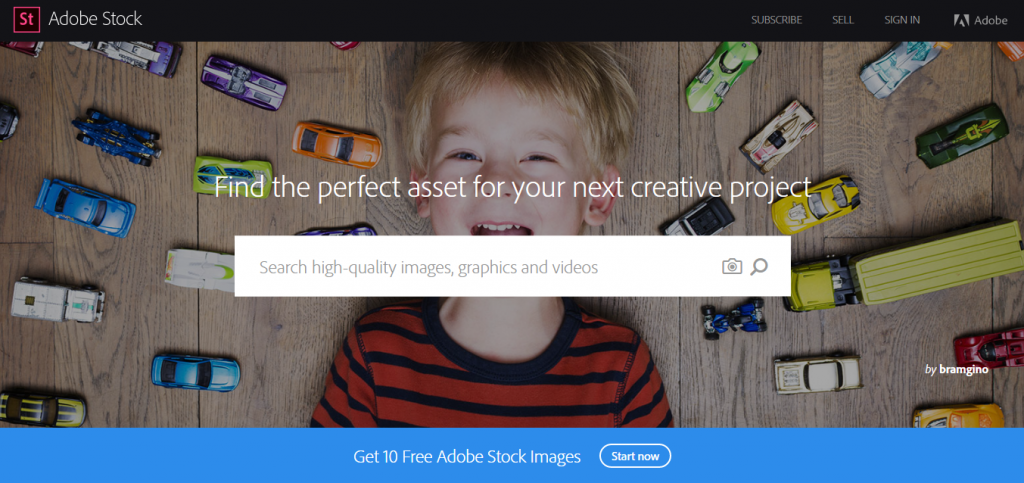
Use the search bar to enter keywords, phrases, or specific image attributes.
Refine your search using filters such as:
Image type (photo, illustration, vector)
Orientation (landscape, portrait, square)
Color
Number of people
Age of people
Ethnicity
We’ve found that Adobe Stock’s search algorithm is particularly effective at understanding context and delivering relevant results. For instance, searching for “business meeting” will yield images of professional settings, while “casual meeting” will show more relaxed environments.
Once you’ve found an image you like:
Hover over the thumbnail to see a larger preview.
Click on the image to view details, including size and licensing options.
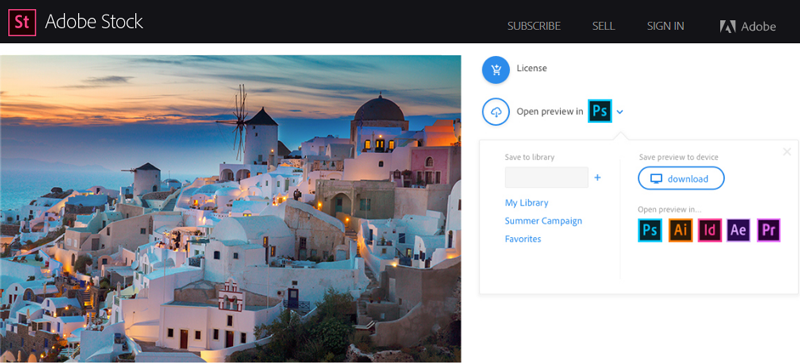
If you’re using an Adobe Creative Cloud application, you can download a watermarked comp version to try in your project before purchasing.
To download and use an image:
Choose your licensing option (Standard or Enhanced).
Click “License and Download” if you have an active subscription or credits.
If you don’t have a subscription, you’ll be prompted to purchase credits or select a plan.
Adobe Stock Images integrates seamlessly with Creative Cloud, allowing us to search, preview, and license assets directly within applications like Photoshop and Illustrator. This integration streamlines our workflow, making it more efficient than working with multiple stock photo agencies.
By offering a robust search function and easy downloading process, Adobe Stock Images positions itself as a premium alternative to platforms offering cheap stock photos or free images, ensuring that users have access to high-quality, professional content for their creative projects.
Advantages of Using Adobe Stock
Adobe Stock Images offers numerous benefits that set it apart from other stock photo agencies. Let’s explore some of the key advantages that make Adobe Stock a preferred choice for professionals and businesses alike.
Time-Saving Benefits
Adobe Stock’s integration with Creative Cloud applications significantly streamlines workflows for creatives. We can search, preview, and license assets directly within tools like Photoshop, Illustrator, and InDesign, eliminating the need to switch between platforms. This seamless integration saves valuable time that would otherwise be spent downloading, importing, and managing assets from external sources.
Moreover, Adobe Stock’s intuitive search interface and advanced filters help us quickly find the perfect image or video for our projects. The platform’s AI-powered search algorithm understands context and delivers relevant results, reducing the time spent scrolling through irrelevant content. This efficiency is particularly valuable when compared to platforms offering cheap stock photos or free images, where quality and relevance may vary widely.
Customization Options
Adobe Stock Images provides extensive customization possibilities, allowing us to tailor assets to our specific needs. The platform offers a wide range of file formats and resolutions, enabling us to choose the most suitable option for our project requirements. This flexibility is especially beneficial when working on diverse projects across different mediums.
Additionally, many Adobe Stock assets come with layered files, making it easy to modify colors, text, or individual elements within the image or illustration. This level of customization is often not available with free stock images or lower-quality alternatives. By using Adobe Stock, we can ensure our final product stands out and aligns perfectly with our brand identity or project vision.
Potential Drawbacks of Adobe Stock
While Adobe Stock Images offers numerous advantages, it’s important to consider potential drawbacks when comparing it to other stock photo agencies or alternatives like cheap stock photos or free images:
Cost considerations:
Higher pricing compared to some competitors
Subscription plans may be expensive for occasional users
Individual image purchases can be costly for small projects
Limited free options:
No permanent free tier like some other platforms
Trial period offers limited access to assets
Learning curve:
Integration with Adobe Creative Cloud may require additional training
Complex interface for users unfamiliar with Adobe products
Content limitations:
Despite extensive library, niche topics may have fewer options
Some users report difficulty finding diverse representations
Licensing restrictions:
Standard license has limitations on print runs and digital views
Enhanced license required for certain commercial uses, increasing costs
Technical requirements:
Optimal performance requires up-to-date hardware and software
Large file sizes may pose challenges for users with slower internet connections
Overwhelming choice:
Extensive library can lead to decision fatigue
Time-consuming to sift through numerous options
Watermarking:
Preview images include watermarks, potentially hindering visualization
Removing watermarks requires purchase, unlike some free image platforms
Update frequency:
Some users report slower content updates compared to other stock photo agencies
Customization limitations:
Despite offering layered files, some assets may have restricted editability
Custom requests or specific modifications not available
While Adobe Stock Images provides high-quality content and seamless integration with Creative Cloud, these potential drawbacks may influence users to consider alternatives, especially for those with budget constraints or specific content needs.
Comparing Adobe Stock to Other Stock Image Providers
When evaluating Adobe Stock Images against other stock photo agencies, it’s essential to consider various factors that set it apart from competitors. We’ll explore how Adobe Stock compares to other providers in terms of content quality, pricing, and features.
Content Quality and Variety
Adobe Stock Images stands out for its commitment to high-quality content. Unlike platforms offering cheap stock photos or free images, Adobe Stock maintains a rigorous selection process, ensuring only professional-grade assets are available. Its library of over 200 million assets surpasses many competitors in both quantity and quality.
Pricing and Subscription Options
While Adobe Stock’s pricing may be higher than some alternatives, it offers flexible options to suit different needs:
Provider
Entry-Level Plan
Mid-Range Plan
Premium Plan
Adobe Stock
$29.99/month (10 images)
$79.99/month (40 images)
$199.99/month (750 images)
Shutterstock
$29/month (10 images)
$99/month (50 images)
$199/month (750 images)
iStock
$29/month (10 images)
$99/month (50 images)
$166/month (750 images)
Adobe Stock’s pricing is competitive with other major stock photo agencies, offering high-quality content at various price points.
Integration with Creative Tools
Adobe Stock’s seamless integration with Creative Cloud applications gives it a significant advantage over other providers. This integration allows users to search, preview, and license assets directly within tools like Photoshop and Illustrator, streamlining the creative workflow.
Licensing Options
Adobe Stock offers clear, professional-grade licensing terms with Standard and Enhanced options. This comprehensive approach to licensing sets it apart from some competitors that may have more restrictive or complex terms.
Search and Discovery
The platform’s AI-powered search algorithm and intuitive interface make finding relevant assets easier compared to some other stock photo agencies. This efficiency can save users valuable time in their creative process.
Customization and Flexibility
Adobe Stock provides extensive customization options, including various file formats and layered files. This level of flexibility may not be available on platforms focusing primarily on cheap stock photos or free images.
By offering a balanced combination of quality, variety, integration, and professional features, Adobe Stock Images positions itself as a premium choice among stock photo agencies, catering to users who prioritize high-quality visual content and efficient workflows.
Tips for Maximizing Adobe Stock Images
To get the most out of Adobe Stock Images, we’ve compiled a list of practical tips that’ll help you leverage this premium stock photo agency effectively:
Utilize advanced search filters:
Refine searches by color, orientation, or image type
Use the “Similar” feature to find related images quickly
Experiment with different keywords for diverse results
Preview before purchasing:
Download watermarked comps to test in your designs
Use the “Visual Search” tool to find similar images
Check different angles or versions of the same subject
Leverage Creative Cloud integration:
Access Adobe Stock directly within Creative Cloud apps
Use the “Find Similar” feature in Photoshop for quick alternatives
Apply edits to watermarked images before licensing
Optimize your budget:
Consider monthly subscriptions for frequent use
Purchase credit packs for occasional needs
Compare Standard and Enhanced licenses for best value
Explore diverse asset types:
Mix photos with illustrations and vector graphics
Incorporate 3D assets for unique designs
Use templates to streamline your workflow
Stay current with trends:
Browse curated collections for inspiration
Follow Adobe Stock’s blog for industry insights
Explore seasonal content for timely projects
Customize assets effectively:
Use Smart Objects in Photoshop for non-destructive editing
Modify vector illustrations to match your brand colors
Combine multiple assets to create unique compositions
Understand licensing terms:
Familiarize yourself with Standard and Enhanced license rights
Keep track of usage limits for each asset
Maintain proper attribution when required
Collaborate efficiently:
Share licensed assets with team members
Use Libraries in Creative Cloud for easy asset management
Create mood boards for client presentations
Maximize image quality:
Download the highest resolution available for your license
Use assets at their optimal size to maintain clarity
Apply appropriate sharpening techniques for web or print use
By implementing these tips, we can make the most of Adobe Stock Images, ensuring our projects benefit from high-quality visuals while maintaining efficiency and cost-effectiveness in our creative workflow.
Conclusion
Adobe Stock Images stands out as a premium platform for high-quality visual content. We’ve explored its extensive library seamlessly integrated with Creative Cloud applications offering professional-grade assets across various categories. While it may come at a higher price point it provides unmatched convenience and quality for creative professionals. The platform’s flexible licensing options intuitive search interface and time-saving features make it a top choice for those prioritizing excellence in their visual projects. Despite some limitations Adobe Stock Images remains a powerful tool for elevating creative work in today’s visually driven digital landscape.
As creative professionals, we’re always on the lookout for high-quality assets to enhance our projects. Adobe Stock, integrated seamlessly with Creative Cloud, offers a vast library of images, videos, and graphics at our fingertips.
We’ll explore how Adobe Stock can revolutionize your workflow within Creative Cloud applications. From time-saving features to exclusive content, this powerful tool has become an essential resource for designers, photographers, and artists alike. Whether you’re a seasoned pro or just starting out, Adobe Stock’s integration with Creative Cloud can help streamline your creative process and elevate your work to new heights.
Key Takeaways
Adobe Stock offers seamless integration with Creative Cloud apps, providing access to over 200 million high-quality assets directly within your workflow.
Creative Cloud users benefit from AI-powered search, flexible licensing options, and the ability to preview and edit watermarked images before purchase.
Various pricing plans are available, including standalone options and bundled packages with Creative Cloud subscriptions, catering to different user needs and budgets.
Adobe Stock’s advanced search filters and AI-powered visual search help users quickly find the perfect assets for their projects, saving time and enhancing creativity.
While Adobe Stock offers numerous advantages, users should be aware of licensing restrictions and potential regional availability limitations when using the service.
What Is Adobe Stock?
Adobe Stock is a vast digital asset marketplace integrated seamlessly within the Creative Cloud ecosystem. It offers millions of high-quality, royalty-free images, videos, and graphics for creative professionals.
Key Features of Adobe Stock
Adobe Stock for Creative Cloud users provides an array of powerful features designed to enhance workflow and creativity:
Extensive Library: Access over 200 million assets, including Adobe Stock images, videos, templates, and 3D models.
Seamless Integration: Work directly within Creative Cloud apps like Photoshop, Illustrator, and Premiere Pro.
AI-Powered Search: Find the perfect asset quickly using advanced filters and Adobe Sensei technology.
Flexible Licensing: Choose from various licensing options to suit different project needs and budgets.
Custom Templates: Create and save templates for easy reuse across team projects.
Stock Contributor Program: Earn revenue by selling your own creative work on the platform.
By leveraging these features, Creative Cloud users can streamline their workflow, save time, and elevate their projects with professional-grade assets.
Benefits for Creative Cloud Users
Adobe Stock offers numerous advantages for Creative Cloud users, enhancing their creative workflow and expanding their asset options. Let’s explore the key benefits that make Adobe Stock an invaluable resource for Creative Cloud subscribers.
Seamless Integration with Creative Cloud Apps
Adobe Stock’s integration with Creative Cloud apps streamlines the creative process for users. We can access and license Adobe Stock assets directly within our favorite Creative Cloud applications, such as Photoshop, Illustrator, and InDesign. This integration eliminates the need to switch between multiple platforms, saving time and maintaining our creative flow. We can easily search for, preview, and edit watermarked images before purchasing, ensuring they fit perfectly into our projects.
Vast Library of High-Quality Assets
As Creative Cloud users, we gain access to an extensive collection of Adobe Stock Images. The library boasts over 200 million high-quality, royalty-free assets, including photos, vectors, illustrations, videos, and templates. This vast selection ensures we find the perfect assets for our projects, regardless of the subject matter or style we’re seeking. The diverse range of content caters to various industries and creative needs, making it an ideal resource for professionals across different fields.
Pricing and Subscription Options
Adobe Stock offers flexible pricing and subscription options tailored to meet the diverse needs of Creative Cloud users. We’ve broken down the available plans to help you choose the best option for your creative projects.
Free Trial and Standalone Plans
Adobe Stock provides a 30-day free trial, allowing users to explore its extensive library of assets. After the trial, standalone plans are available for those who prefer not to bundle with Creative Cloud. These plans include:
10 standard assets per month: $29.99
40 standard assets per month: $79.99
750 standard assets per month: $199.99
For users seeking Adobe Stock images at competitive rates, these standalone plans offer access to high-quality assets without a full Creative Cloud subscription.
Creative Cloud Bundle Options
Creative Cloud subscribers benefit from integrated Adobe Stock options, providing seamless access to stock assets within their preferred applications. Bundle options include:
Creative Cloud All Apps + 10 Adobe Stock images per month: $82.98
Creative Cloud All Apps + 40 Adobe Stock images per month: $132.98
Creative Cloud Photography Plan + 10 Adobe Stock images per month: $39.98
These bundles offer a cost-effective solution for Adobe Stock for Creative Cloud users, combining powerful creative tools with a vast library of stock assets. By integrating Adobe Stock images directly into Creative Cloud workflows, users can streamline their creative process and enhance their projects efficiently.
How to Use Adobe Stock in Your Creative Workflow
Adobe Stock seamlessly integrates into Creative Cloud applications, streamlining the process of incorporating high-quality assets into your projects. We’ll explore how to effectively use Adobe Stock within your creative workflow, focusing on searching, licensing, editing, and customizing content.
Searching and Licensing Assets
Adobe Stock’s powerful search functionality allows Creative Cloud users to find the perfect assets for their projects. We can access the Adobe Stock library directly within Creative Cloud applications or through the Adobe Stock website. Here’s how to search and license assets:
Open your preferred Creative Cloud application
Click on the Libraries panel
Select “Adobe Stock” from the dropdown menu
Enter keywords in the search bar
Use filters to refine results by image type, orientation, or color
Preview watermarked images in your project
License chosen assets with a single click
Adobe Stock for Creative Cloud users offers a vast collection of Adobe Stock images, ensuring you’ll find the right visuals for your projects. The seamless integration allows for efficient browsing and licensing without disrupting your creative flow.
Editing and Customizing Stock Content
Once we’ve licensed Adobe Stock assets, we can easily edit and customize them to fit our project needs. Here’s how to make the most of Adobe Stock content:
Open the licensed asset in your Creative Cloud application
Use native editing tools to adjust colors, crop, or resize
Apply filters or effects to match your project’s style
Combine multiple stock assets to create unique compositions
Customize vector graphics by modifying individual elements
Add text or overlays to enhance the visual impact
Save modified assets to your Creative Cloud library for future use
By leveraging the full potential of Adobe Stock within Creative Cloud applications, we can transform stock content into personalized, project-specific assets. This integration saves time and enhances our creative output, making Adobe Stock an invaluable resource for Creative Cloud users.
Adobe Stock vs. Other Stock Image Providers
Adobe Stock stands out among stock image providers due to its seamless integration with Creative Cloud applications. We’ll compare Adobe Stock with other providers in terms of quality, variety, pricing, and licensing options.
Quality and Variety Comparison
Adobe Stock offers a vast library of high-quality assets, including images, videos, and graphics. The platform’s collection includes over 200 million assets, ensuring a wide variety of options for creative professionals. Adobe Stock’s quality control measures result in consistently high-resolution images and professionally produced videos.
Other stock image providers, such as iStock and Shutterstock, also offer extensive libraries. However, Adobe Stock’s integration with Creative Cloud applications gives it a unique advantage, allowing users to search, preview, and edit watermarked images directly within their preferred Adobe software.
Pricing and Licensing Differences
Adobe Stock for Creative Cloud users offers competitive pricing and flexible licensing options. Standalone plans start at $29.99 for 10 standard assets per month, with options for larger asset quotas. Creative Cloud subscribers can benefit from bundle options that combine Adobe Stock with various Creative Cloud plans at discounted rates.
In comparison, other providers like iStock offer similar pricing structures but lack the seamless integration with Creative Cloud. iStock Promo Codes are often available, potentially lowering costs for users. However, Adobe Stock’s integration and bundle options may provide better value for Creative Cloud users.
Licensing terms vary among providers. Adobe Stock offers royalty-free licenses with standard and extended options, allowing for broad usage rights. Other providers may have more complex licensing structures or additional fees for extended usage.
While some platforms market themselves as sources for cheap stock photos, Adobe Stock focuses on providing high-quality Adobe Stock images with the added benefit of Creative Cloud integration. This combination of quality and convenience often justifies the pricing for professional users.
Tips for Maximizing Adobe Stock in Your Projects
Adobe Stock offers powerful tools to enhance your creative workflow. We’ll explore strategies to make the most of this extensive resource for Creative Cloud users.
Utilizing Advanced Search Filters
Adobe Stock’s advanced search filters streamline the process of finding perfect assets for your projects. We recommend using these filters to narrow down results:
Content type: Specify images, videos, templates, or 3D assets
Orientation: Choose landscape, portrait, or square formats
Color: Select specific hues or opt for black and white
People: Filter by number of people, age, ethnicity, or gender
Style: Refine by photographic style or illustration technique
Combine multiple filters to quickly pinpoint assets that match your project’s requirements. This approach saves time and ensures you’re working with the most relevant Adobe Stock images.
Leveraging AI-Powered Visual Search
Adobe Stock’s AI-powered visual search revolutionizes asset discovery for Creative Cloud users. Here’s how to maximize this feature:
Upload a reference image: Use an existing image as a starting point
Adjust similarity settings: Fine-tune results based on composition, color, or style
Explore similar assets: Discover visually related content to expand your options
Refine with keywords: Combine visual search with text-based filters for precision
Visual search often uncovers unique assets that traditional keyword searches might miss, providing fresh inspiration for your creative projects.
Limitations and Considerations
While Adobe Stock offers numerous benefits for Creative Cloud users, it’s important to be aware of certain limitations and considerations. These factors can impact how we use and leverage Adobe Stock in our creative projects.
Licensing Restrictions
Adobe Stock’s licensing terms are generally straightforward, but we must be mindful of certain restrictions. Standard licenses typically limit the number of times we can use an asset in a single project. For instance, we can’t use a standard licensed image on more than 500,000 printed materials or exceed 500,000 views for digital projects. Extended licenses offer more flexibility but come at a higher cost. It’s crucial to review the licensing terms carefully before using Adobe Stock images in commercial projects to ensure compliance.
Regional Availability
While Adobe Stock is available in many countries, its accessibility and content can vary by region. Some assets may be restricted in certain countries due to legal or cultural reasons. Additionally, pricing and subscription options may differ based on our geographical location. As Creative Cloud users, we should be aware that the full range of Adobe Stock features and content might not be universally available, potentially impacting our ability to access specific assets or services depending on our location.
Conclusion
Adobe Stock stands out as a game-changing resource for Creative Cloud users. We’ve explored its vast library seamlessly integrated with familiar tools enhancing creative workflows. With powerful search capabilities AI-driven features and flexible licensing options it’s clear why Adobe Stock is a top choice for professionals.
While there are considerations like licensing restrictions and regional availability the benefits far outweigh these limitations. By leveraging Adobe Stock’s unique features creative professionals can elevate their projects and streamline their processes. It’s an invaluable tool that continues to evolve meeting the ever-changing needs of the creative community.
In today’s digital age, visual content is king. We’re constantly bombarded with images across various platforms, making it crucial for businesses and content creators to stand out. That’s where stock photos come in handy. But let’s face it – quality imagery can be expensive.
We understand the struggle of finding affordable, high-quality visuals that don’t break the bank. That’s why we’ve delved into the world of cheap stock photos to help you discover budget-friendly options without compromising on quality. From hidden gems to lesser-known platforms, we’ll explore how you can elevate your visual content game without emptying your wallet.
Key Takeaways
Cheap stock photos offer budget-friendly, high-quality images for various digital and print media, typically priced under $5 per image.
Platforms like iStock and Adobe Stock provide affordable options, with promo codes and special pricing for Creative Cloud subscribers.
Benefits of using cheap stock photos include cost-effectiveness, time-saving, and access to diverse categories of professional-quality visuals.
When choosing cheap stock photos, consider factors such as image quality, licensing terms, and variety of selection.
To use cheap stock photos effectively, customize images and avoid overused visuals to maintain a unique brand identity.
What Are Cheap Stock Photos?
Cheap stock photos are budget-friendly, high-quality images available for purchase and use in various digital and print media. These photos offer an affordable alternative to expensive custom photography or premium stock imagery. Typically priced under $5 per image, cheap stock photos cater to businesses, bloggers, and content creators looking to enhance their visual content without breaking the bank.
Several platforms offer cheap stock photos, including popular services like iStock and Adobe Stock. iStock frequently provides promo codes, allowing users to access their extensive library at discounted rates. For Adobe Creative Cloud subscribers, Adobe Stock offers competitive pricing and seamless integration with other Adobe applications.
Cheap stock photos come in various categories, including:
Business and finance
Nature and landscapes
People and lifestyles
Food and beverages
Technology and innovation
These affordable images maintain professional quality standards, ensuring they’re suitable for diverse applications such as:
Website design
Social media posts
Marketing materials
Blog illustrations
Presentations
By utilizing cheap stock photos, content creators can elevate their visual storytelling without compromising on quality or overspending on their marketing budget.
Benefits of Using Cheap Stock Photos
Cheap stock photos offer numerous advantages for businesses and content creators. Let’s explore the key benefits of incorporating these budget-friendly images into your visual content strategy.
Cost-Effectiveness
Cheap stock photos provide significant cost savings compared to custom photography or premium stock image services. By utilizing platforms that offer affordable options, such as iStock with its promo codes or Adobe Stock for Creative Cloud users, businesses can access high-quality visuals at a fraction of the cost. These budget-friendly alternatives allow companies to allocate resources more efficiently, investing in other aspects of their marketing or content creation efforts while still maintaining professional-looking visuals.
Time-Saving
Opting for cheap stock photos saves valuable time in the content creation process. Instead of scheduling photo shoots, hiring photographers, or spending hours searching for the perfect free image, content creators can quickly browse through extensive libraries of pre-existing, high-quality visuals. This efficiency allows for faster turnaround times on projects and enables teams to focus on other critical aspects of their work. With platforms like Adobe Stock Images offering intuitive search features, finding the right cheap stock photos for your needs becomes a seamless and time-efficient task.
Top Sources for Cheap Stock Photos
We’ve compiled a list of top sources for cheap stock photos to help you find high-quality images without breaking the bank. These platforms offer a wide range of affordable options for content creators and businesses on a budget.
Free Stock Photo Websites
Free stock photo websites provide an excellent starting point for those seeking cost-effective visual content. These platforms offer a vast collection of high-quality images that can be used for various projects without any financial investment:
Unsplash: Features a curated selection of professional-grade photos contributed by photographers worldwide.
Pexels: Offers a diverse range of free stock photos and videos, with new content added daily.
Pixabay: Provides a large library of royalty-free images, illustrations, and vector graphics.
StockSnap.io: Offers a wide variety of high-resolution photos with no attribution required.
Budget-Friendly Paid Options
For those seeking more exclusive content or specific themes, budget-friendly paid options offer a balance between affordability and quality:
iStock: Known for its extensive library, iStock offers competitive pricing and frequent promotions. Users can take advantage of iStock promo codes to save even more on their purchases.
Adobe Stock: Integrated seamlessly with Creative Cloud applications, Adobe Stock images are easily accessible for design professionals. Adobe Stock for Creative Cloud users often comes with special pricing and subscription options.
Depositphotos: Offers a flexible pricing model with both subscription plans and on-demand purchases for cheap stock photos.
123RF: Provides a wide selection of affordable stock photos with various licensing options to suit different needs.
These platforms offer a range of cheap stock photos that cater to diverse industries and themes, ensuring that businesses and content creators can find suitable visuals for their projects without overspending.
Factors to Consider When Choosing Cheap Stock Photos
When selecting cheap stock photos, several key factors influence the decision-making process. We’ll explore these crucial aspects to help you make informed choices for your visual content needs.
Image Quality
Image quality is paramount when choosing cheap stock photos. High-resolution images with clear details and proper lighting enhance the overall visual appeal of your content. We recommend examining the following:
Resolution: Ensure images are at least 300 DPI for print media and 72 DPI for digital use
Sharpness: Look for crisp, focused images without blurring or pixelation
Composition: Select photos with balanced framing and aesthetically pleasing arrangements
Color accuracy: Choose images with natural, true-to-life colors
Platforms like Adobe Stock Images offer a wide range of high-quality, affordable options for various projects.
Licensing Terms
Understanding licensing terms is crucial when using cheap stock photos. Different licenses dictate how and where you can use the images. Consider these aspects:
Usage rights: Commercial vs. editorial use
Distribution limitations: Print, digital, or both
Modification allowances: Ability to edit or manipulate the image
Attribution requirements: Whether credit to the photographer is necessary
Many stock photo sites, including Adobe Stock for Creative Cloud Users, provide clear licensing information for each image, ensuring compliance and peace of mind.
Variety and Selection
A diverse selection of images is essential for finding the perfect visual for your project. When evaluating cheap stock photo sources, consider:
Range of themes: Business, nature, lifestyle, technology, etc.
Cultural diversity: Images representing various ethnicities and cultures
Style options: Modern, vintage, artistic, or realistic aesthetics
Seasonal content: Photos relevant to different times of the year
Platforms like iStock offer extensive collections of cheap stock photos, often with promotional discounts through iStock Promo Codes, providing both variety and affordability.
How to Use Cheap Stock Photos Effectively
Utilizing cheap stock photos effectively can significantly enhance your visual content while maintaining a professional look. We’ll explore strategies to maximize the impact of affordable visuals in your projects.
Customization Tips
Customizing cheap stock photos is key to creating unique and engaging content. Start by cropping images to focus on the most relevant elements. Adjust contrast, brightness, and saturation to match your brand’s aesthetic. For Adobe Stock for Creative Cloud users, leverage built-in editing tools to apply filters, overlays, or text to make images distinctively yours. Experiment with blending modes to integrate stock photos seamlessly into your designs. Remember, subtle adjustments often yield the most professional results.
Avoiding Overused Images
To prevent your content from appearing generic, steer clear of overused cheap stock photos. Search for images on less popular pages of stock photo websites. Utilize advanced search filters on platforms like Adobe Stock Images to find more unique options. Consider using iStock promo codes to access premium, less-common images at discounted rates. Combine multiple stock photos to create original compositions. When selecting images, opt for those that authentically represent your brand and target audience, avoiding clichéd or overly staged scenes.
Potential Drawbacks of Cheap Stock Photos
While cheap stock photos offer numerous advantages, they also come with certain limitations. We’ll explore some of the potential drawbacks to consider when using these budget-friendly images in your projects.
Limited Exclusivity
Cheap stock photos, including those from platforms like Adobe Stock Images and iStock, are widely accessible to many users. This accessibility can lead to multiple businesses or content creators using the same images, potentially diluting brand uniqueness. Even with iStock promo codes offering discounts, the risk of encountering overused visuals remains. To mitigate this issue, we recommend:
Searching deeper into stock photo libraries
Using advanced filters to find less popular images
Combining multiple stock photos to create unique compositions
Customizing images through editing and branding elements
Carefully read and understand the licensing agreement for each image
Pay attention to usage restrictions, especially for commercial purposes
Keep records of purchased licenses and their terms
Avoid using images featuring recognizable people or landmarks without proper releases
Consider purchasing extended licenses for broader usage rights when necessary
Alternatives to Cheap Stock Photos
While cheap stock photos offer an affordable solution for visual content, there are other options to consider. These alternatives can provide unique and personalized imagery for your projects.
Creating Your Own Images
Creating your own images is a cost-effective alternative to purchasing stock photos. This approach allows for complete creative control and ensures originality in your visual content. Here are some methods to create your own images:
Smartphone photography: Modern smartphones have high-quality cameras capable of producing professional-looking images.
Graphic design tools: Software like Canva or Adobe Creative Cloud enables the creation of custom graphics and illustrations.
DIY photo studio: Set up a simple home studio with basic lighting and a backdrop for product or portrait shots.
User-generated content: Encourage customers or followers to submit their photos for use in your marketing materials.
By creating your own images, you’ll develop a unique visual identity that sets your brand apart from competitors using generic stock photos.
Hiring a Photographer
For businesses seeking high-quality, custom imagery, hiring a professional photographer is a viable option. While initially more expensive than cheap stock photos, this approach offers several benefits:
Tailored imagery: A photographer can capture images specific to your brand, products, or services.
Exclusive rights: You’ll own the rights to the photos, ensuring no other businesses use the same images.
Consistency: Develop a cohesive visual style across all your marketing materials.
Authenticity: Showcase real employees, products, and locations to build trust with your audience.
When considering a photographer, research local professionals, review their portfolios, and discuss your specific needs and budget. While this option may require a larger upfront investment, it can provide long-term value by creating a distinctive visual brand identity.
Conclusion
Cheap stock photos offer a valuable solution for businesses and content creators seeking high-quality visuals on a budget. We’ve explored various platforms, strategies, and alternatives to help you make informed decisions about your visual content needs. By leveraging these affordable resources and applying creative techniques, you can enhance your brand’s visual storytelling without breaking the bank. Remember to prioritize quality, understand licensing terms, and consider your brand’s unique identity when selecting and using stock photos. With the right approach, you’ll be well-equipped to create compelling visual content that resonates with your audience and elevates your brand.
We all know how crucial high-quality visuals are in today’s digital landscape. Whether you’re a designer, marketer, or content creator, finding the perfect image can make or break your project. That’s where iStock comes in, offering a vast library of stunning photos, vectors, and illustrations. But let’s face it – premium stock imagery can be costly.
That’s why we’re excited to share our insider knowledge on iStock promo codes. These little gems can help you save big on your visual content needs, allowing you to access top-notch imagery without breaking the bank. In this article, we’ll explore the world of iStock discounts and show you how to make the most of these money-saving opportunities.
Key Takeaways
iStock promo codes offer significant savings on premium stock photos, vectors, and illustrations for designers and marketers.
Types of iStock discounts include credit pack discounts, subscription discounts, and seasonal promotions, offering up to 25% off.
Find promo codes on the official iStock website, through their newsletter, or on reputable third-party coupon sites.
Apply codes at checkout and be aware of limitations like single-use restrictions and minimum purchase requirements.
Maximize savings by combining offers, timing purchases during sales events, and considering alternatives like bulk credit packs or annual subscriptions.
What Is iStock and Why Use Promo Codes?
iStock is a leading online platform offering a vast collection of high-quality stock photos, vectors, illustrations, and video footage. It’s a go-to resource for designers, marketers, and content creators seeking premium visual content for their projects. With millions of images available, iStock provides a diverse range of options to suit various creative needs.
Using iStock promo codes is an effective strategy to access these premium visuals at reduced prices. Promo codes offer substantial discounts on image purchases, credit packs, and subscriptions, making it more affordable for professionals and businesses to acquire the visual content they need. By leveraging these codes, users can:
Save up to 20% on individual image purchases
Receive discounts on credit packs, allowing for bulk buying at lower rates
Enjoy reduced prices on monthly and annual subscriptions
Access special offers and seasonal promotions
iStock promo codes are particularly valuable for frequent users of stock imagery, as the savings can accumulate significantly over time. Whether you’re working on a one-time project or require ongoing access to stock photos, utilizing promo codes ensures you get the best value for your investment in visual content.
Types of iStock Promo Codes
iStock offers various types of promo codes to cater to different user needs and purchasing preferences. These codes provide significant savings opportunities for those seeking high-quality visual content. Here’s an overview of the main types of iStock promo codes available:
Credit Pack Discounts
Credit pack discounts are promotional offers that allow users to purchase iStock credits at reduced prices. These credits can be used to download individual images or videos from the platform. Typically, credit pack discounts offer savings of 10-20% on credit purchases. The more credits you buy, the higher the potential discount. For example, a promo code might offer 15% off a pack of 60 credits or 20% off a pack of 180 credits.
Subscription Discounts
Subscription discounts provide savings on iStock’s monthly and annual subscription plans. These plans offer a set number of downloads per month at a fixed price. Promo codes for subscriptions can offer discounts ranging from 10-25% off the regular subscription price. Some codes may apply to specific subscription tiers, such as the Essential plan or the Premium plan. Subscription discounts are particularly valuable for users who need a consistent supply of stock images for their projects.
Seasonal Promotions
iStock frequently runs seasonal promotions tied to holidays, special events, or specific times of the year. These promotions often feature unique promo codes that offer substantial discounts on both credit packs and subscriptions. For instance, during Black Friday or Cyber Monday, iStock might offer up to 25% off all purchases. Other seasonal promotions might include summer sales, back-to-school specials, or end-of-year deals. These limited-time offers provide excellent opportunities to stock up on credits or start a subscription at a significantly reduced price.
How to Find iStock Promo Codes
Locating iStock promo codes is essential for maximizing savings on premium visual content. We’ll explore two primary methods to find these valuable discounts.
Official iStock Website
The official iStock website is the most reliable source for promo codes. Here’s how to find them:
Visit iStock’s homepage regularly
Check the banner at the top of the page for current promotions
Sign up for their newsletter to receive exclusive offers
Look for seasonal sales events, often prominently displayed
Explore the “Special Offers” section for ongoing deals
Third-Party Coupon Sites
Coupon websites can be excellent resources for finding iStock promo codes:
Browse popular coupon sites like RetailMeNot and Groupon
Search for “iStock promo codes” on these platforms
Verify the expiration dates and terms of each code
Compare offers across multiple sites for the best deals
Check user comments for feedback on code validity
Remember, while searching for iStock promo codes, you might encounter offers for other stock image providers. Adobe Stock for Creative Cloud Users and Adobe Stock Images are alternatives worth considering if you’re looking for cheap stock photos. However, always prioritize iStock-specific codes for guaranteed compatibility with your iStock purchases.
Applying iStock Promo Codes
Applying iStock promo codes is a straightforward process that can lead to significant savings on your stock image purchases. We’ll guide you through the steps to ensure you’re making the most of these valuable discounts.
Step-by-Step Guide
Select your content: Choose the images, vectors, or videos you want to purchase from iStock’s extensive library.
Add to cart: Click the “Add to Cart” button for each item you wish to buy.
Review your cart: Once you’ve finished selecting content, click on the cart icon to review your items.
Locate the promo code field: Look for a text box labeled “Promo Code” or “Coupon Code” on the checkout page.
Enter the code: Type or paste your iStock promo code into the designated field.
Apply the code: Click the “Apply” or “Submit” button to activate the discount.
Verify the discount: Ensure the price reduction is reflected in your total before proceeding.
Complete your purchase: Proceed with the checkout process to finalize your discounted order.
Invalid code: If your code doesn’t work, double-check for typos and ensure it hasn’t expired.
Code limitations: Some promotions may only apply to specific products or subscription plans.
Single-use restrictions: Many iStock promo codes can only be used once per account.
Minimum purchase requirements: Certain discounts may require a minimum spend to activate.
Non-combinable offers: iStock typically doesn’t allow multiple promo codes on a single purchase.
Account-specific promotions: Some codes are exclusive to new or existing customers.
If you encounter issues, contact iStock’s customer support for assistance. Remember, while iStock promo codes offer great value, it’s worth comparing prices with other platforms like Adobe Stock for Creative Cloud users to ensure you’re getting the best deal on cheap stock photos.
Maximizing Savings with iStock Promo Codes
We’ll explore advanced strategies to stretch your budget further when using iStock promo codes. By combining offers and timing your purchases strategically, you’ll unlock even greater savings on high-quality stock images.
Combining Offers
To maximize savings with iStock promo codes, consider stacking multiple offers:
Pair credit pack discounts with seasonal promotions
Combine subscription discounts with first-time user offers
Use referral bonuses alongside existing promo codes
Apply loyalty program rewards with active promotions
By strategically combining these offers, you’ll often achieve discounts exceeding the standard 10-25% off. Remember to check the terms and conditions of each promotion to ensure compatibility.
Timing Your Purchases
Strategic timing significantly impacts your savings when using iStock promo codes:
Monitor seasonal sales: Black Friday, Cyber Monday, and holiday promotions often yield the best discounts
Watch for end-of-month or quarterly specials: iStock frequently offers deeper discounts during these periods
Track industry events: Design conferences or marketing expos may trigger special promotions
Utilize off-peak hours: Some promo codes offer better rates during non-business hours
By aligning your purchases with these timing strategies, you’ll maximize the value of iStock promo codes and secure cheap stock photos without compromising on quality.
Alternatives to iStock Promo Codes
While iStock Promo Codes offer excellent savings, there are other cost-effective options for accessing high-quality stock imagery. We’ll explore two alternatives that provide competitive pricing and diverse content libraries.
iStock Credit Packs
iStock credit packs are an alternative to promo codes, offering flexibility and potential savings. These packs allow users to purchase credits in bulk at discounted rates. By buying larger credit packs, users often receive more credits per dollar spent, effectively reducing the cost per image. This option is particularly beneficial for those who need a variety of images but don’t require a continuous subscription.
Annual Subscriptions
Annual subscriptions present another alternative to iStock Promo Codes. These long-term plans typically offer significant discounts compared to monthly subscriptions or pay-as-you-go options. iStock’s annual subscriptions provide unlimited downloads within a chosen plan, catering to high-volume users. This option ensures a steady supply of cheap stock photos without the need to search for promo codes regularly.
For those already using Adobe Creative Cloud, Adobe Stock for Creative Cloud Users is a compelling alternative. It integrates seamlessly with Adobe’s suite of creative tools, offering a vast library of Adobe Stock images. This integration streamlines the workflow for designers and content creators, potentially offsetting the need for separate iStock subscriptions or promo codes.
Conclusion
We’ve explored the world of iStock promo codes and their potential to significantly reduce costs for visual content. By leveraging these discounts, you’ll access premium imagery without breaking the bank. Remember to check iStock’s website regularly, sign up for newsletters, and explore third-party coupon sites for the best deals. With strategic timing and smart combinations of offers, you’ll maximize your savings on high-quality visuals. Whether you’re a designer, marketer, or content creator, these insider tips will help you elevate your projects while staying within budget.
In general, the words “exclusive” and “stock photo” don’t go together too well. Microstock agencies are able to sell the rights to imagery for cheap because those same images are licensed to lots of users. And galleries are hardly exclusive either, as photographers often license their images to many vendors. But a few years ago, iStock changed this formula a bit by offering exclusive deals to photographers, offering higher commission rates if images were only sold to iStock. Today, that tradition of exclusivity has continued, and there are a good number of images you can only get on iStock. And if you want to get those exclusive images for an exclusive deal, our iStock Promo Code is the place to go. Here’s what you need to know about getting the best price on iStock’s exclusive offerings.
iStock: Exclusive Content, Exclusive Quality
By providing much higher commision rates for exclusive contracts than other vendors do, iStock has gathered some of the most talented artists in the stock photography field into one place. And the resulting exclusive galleries are very high quality. If you are looking for standard portrait and situational imagery done right with perfect lighting and attention to deal, check out the Agency Collection. If you are looking for a more artistic take on stock photography, look up the Vetta Collection. No matter where you look on iStock, you can find some high quality, exclusive content.
Getting an Exclusive Deal with Our iStock Promo Code
It probably isn’t surprising that at iStock, exclusive quality comes at a premium price. But if you want to get access to their exclusive imagery with a deal that you won’t find anywhere else, check out our one of a kind iStock promo codes (you can visit StockPhotoSecrets for a promo code). For all of 2026, all of the deals below apply to all iStock imagery, even their high quality exclusive content.
Up to 15% Off on iStock Credit Packs
If you are looking to buy your iStock imagery on demand with their credit pack systems, our promo codes will save you a good amount. For any credit packages of 18 or more, our codes will save you 15% off upfront. If you are looking for only a few images, our promo codes will save your 10% on packages of 3 or more credits.
Big Savings On iStock Subscriptions
If you hope to download even more of iStock’s exclusive imagery, and need imagery often, we can save you money on an annual subscription as well. For all of 2026, you can save 15% immediately when you sign up for a new iStock annual subscription plan. No matter how you cut it, that’s exclusive content at an exclusive price.
What’s your favorite Creative Cloud desktop software application? Which stock photo agency do you get your images from? With the launch of Adobe Stock a little over a year ago, you now have a whole new collection to explore. The stock site has some unique features that make it worth considering for Creative Cloud users, like you.
Adobe first acquired Fotolia in 2014, but kept it as a separate stock agency. Then, it introduced Adobe Stock as a stand-alone stock site, which is now the largest in the industry. Integrated with Creative cloud software applications, customers had access to over 40 million images submitted by Fotolia contributors through the new site, click here.
Now, Adobe Stock offers both stock images and footages. Its recent merge with Corbis expanded its library to a whooping 200 million of high quality content. It also features a very attractive website that is built into the Creative Cloud software. That’s right! You can search a wide variety of images inside your favorite CC desktop application.
Here is a short Adobe Stock review:
The largest stock media library in the industry with over 200 million content.
Available in many countries and 20 languages so you can search in your own words.
Simple pricing starts at $9.99 per image and $79.99 per video.
Several subscription options with 10, 350 and 750 images per month.
Integration with Adobe software platform for easy design comping and licensing.
Various sorting options for more efficient searches.
Accepts all major credits cards and PayPal.
Signing up with Adobe Stock brings a number of benefits, but it also come with a disadvantage. At this point, the stock site does not offer an option for Extended License. If you need images for multi-seat usage, unlimited print productions, and resale, you can purchase it through Fotolia.
Adobe Stock is a major player in the stock media industry. It has one of the largest libraries and simplest pricing to cater to your unique creative needs. With the integration to Creative Cloud software, you can save more time and money working with comp images before actually purchasing them.
Did you know that a 1-second delay in load equals fewer page views? It can also decrease customer satisfaction by 16% and can lead to 7% loss in conversions. That’s why it is necessary to improve the speed of your website. One of the most effective ways to do so is by optimizing your images. You don’t have to strip your webpage of all images to speed it up. You can simply optimize and compress them into a smaller size.
Pixelrockstar is the wordpress image plugin that rocks! You’re asking why, so here are a few good reasons why you need this plugin:
It’s easy to use. With PixelRockstar, you can download and use images easily and quickly. You don’t have to deal with complicated processes to add images to your wordpress site, giving you more time to do the things you love.
All images are legally safe. Say goodbye to the copyright police because you never have to worry about them trailing your back. This wordpress image plugin delivers safe-to-use images, letting you avoid the legal risks of using images from the internet.
PixelRockstar offers the best prices. Stock photos in the plugin costs as low as $0.57, depending on the plan you get. The highest price for an image is $0.90. You don’t have to pay more than a dollar to get high quality images.
Images are licensed to use in social media outlets. Do you intend to share your posts to social media? No problem. All images from the wordpress plugin come with a Digital License, which allows you to use them in social media and wordpress posts alike.
Improving the speed of your website should be your number one priority if you want to increase traffic, customer satisfaction and conversions in your website. Every second delay could cost you hundreds – even thousands – of valuable visitors and potential customers.
Blogging is a good way to express your ideas and thoughts. The technology that has been made available to everyone means that whatever you post online, has a chance of getting noticed by everyone.
As a blogger, the thoughts come easy but what you need to get better engagement with your posts are images and graphics. The easiest way is to us pictures. You can get a designer get stuff done for you but well, if you’re looking for a quick post its images.
Images for Blogging
It’s not rocket science on what image you put when you post a blog. Pick the one that’s closest to your topic – to what you’re talking about. It’s not that hard. The challenge you’re going to face is that it may be easy to get your images but are you allowed to use it? That’s the question?
There are tons of images on the internet that may be related to whatever it is that you are blogging about but the thing is, you just can’t use any of them. There are legal issues with using images you just picked somewhere on the internet.
They are all high quality images, which means that these are the pictures that you’re proud to show on your blog. You can showcase these as featured images. You can put these as any image that you can put in your blog post.
On top of that you get millions of these photos, illustrations and graphics that you can use which means that whatever niche you’re in, what topic you are writing about, there is an appropriate one that you will be able to use.
Easy Editing
As a designer, you’re also able to use these images straight from any Adobe Creative Cloud app that you’re using.
What you have now is an endless stream of Adobe Stock Images that you can use for your blogs and then you also have images that you can make changes to if you choose to do so. Whether you are starting out or already a seasoned blogger with a lot of posts under your belt, let’s face it, you will need graphics, photos and illustrations for your blogs.
There are a lot of bloggers out there who can attest the use of stock images, and it has done wonders for them. It’s just amazing how you can now have the power to put royalty-free, high quality images in an instant.
There’s definitely a lot of benefits with Adobe Stock Images – millions of content and easy integration with all your tools. What more can you ask.
So if you’re a blogger, get it out of your mind, stop thinking about where to get your images. You know where to get them, you know what to use.
Adobe acquired the stock media site Fotolia a little over a year ago. Many were anxious of how that would turn out, but soon it became clear. Adobe Stock is a collection of over 40 million images, graphics and videos. It can be accessed virtually with Creative Cloud software applications, such as Photoshop and InDesign. You can search for the perfect Adobe Stock photos by entering keywords related to the content you are trying to find.
From within your favorite CC software, you can search for Adobe Stock photos by typing a keyword. Tap the search button to display your results. For instance, you can type happy family and Adobe Stock will present you with 845,258 results. That is plenty of images to choose from. When you tap the image, the stock site displays a larger version and other similar images. This is a pretty feature. You may not necessarily love the picture you chose, but AS gives related images that you might like better.
If you are using a Creative Cloud software application, you can work with comp images – another feature unique to Adobe Stock. You can use these comp images at the beginning of the design process or until you are ready to commit to making a purchase. When you are viewing Adobe Stock photos, you will notice two buttons in the upper right corner. You can choose to save preview or license asset, where you will be asked to save the image in a Creative Cloud library.
With Adobe Stock, you can create a new library or save your comp images to existing CC libraries. Save preview downloads a low-resolution version of images with watermarks. On the other hand, licensing an asset subtracts credits from your account or brings up a webpage where you can purchase the image or subscribe to a plan. The Save Preview allows you to show get the approval of your client before you continue with the purchase.
Once you are ready to purchase Adobe Stock photos, you can right-click on the image and choose License Image to download the high resolution version. You don’t have to worry about spending another set of hours to work with the new image either. The high-res version will automatically replace the watermarked version, saving you from hours of rework.
The integration of Adobe Stock and Creative Cloud is a powerful feature during the initial phases of the design process. It allows you to download Adobe Stock photos, experiment on them and explore their impact to your creative projects before you purchase them. When things are finalized, you can license the images easily and quickly, and download the high resolution version. It’s really time and money saving. Try it and tell us what you think!





























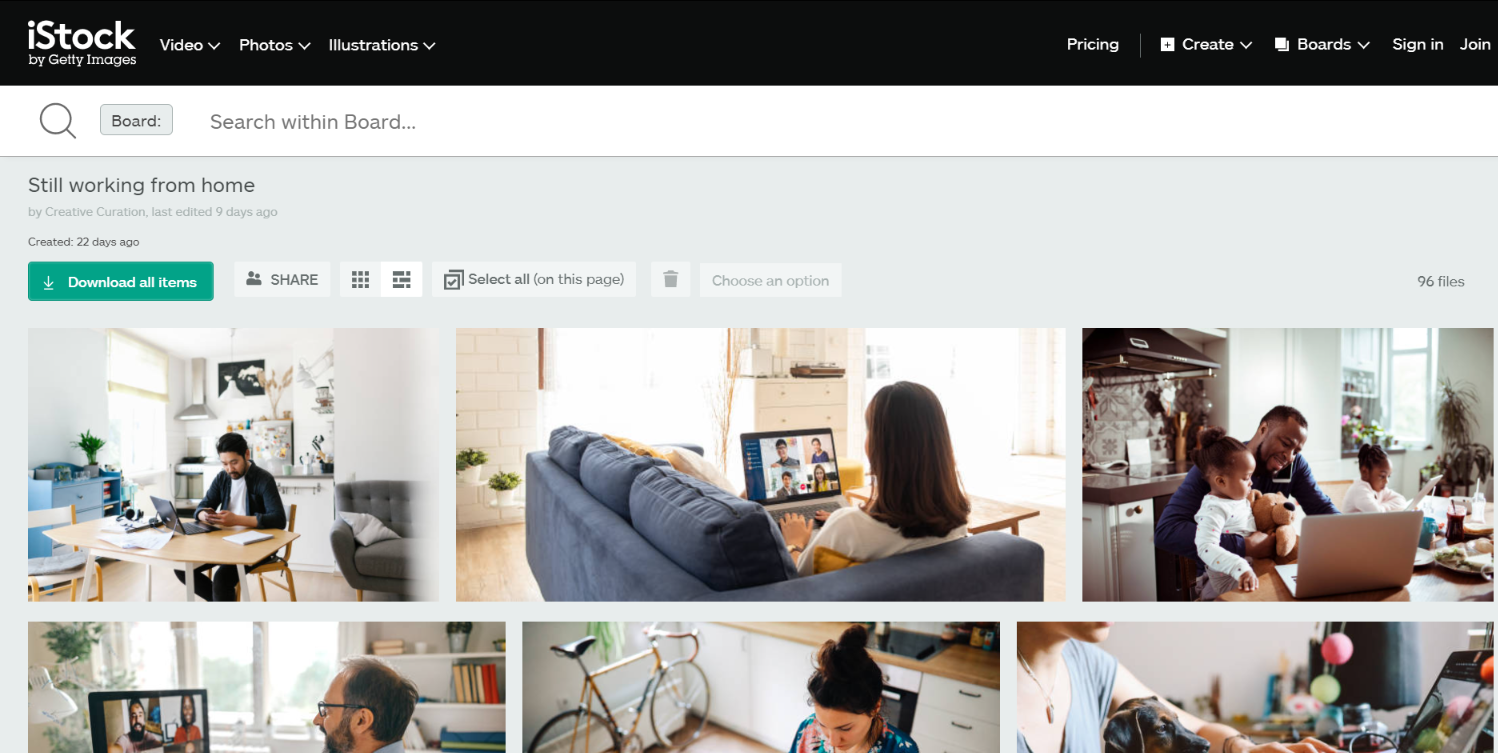

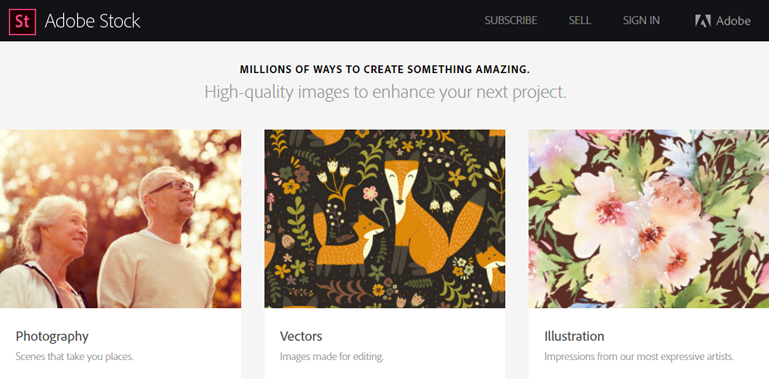
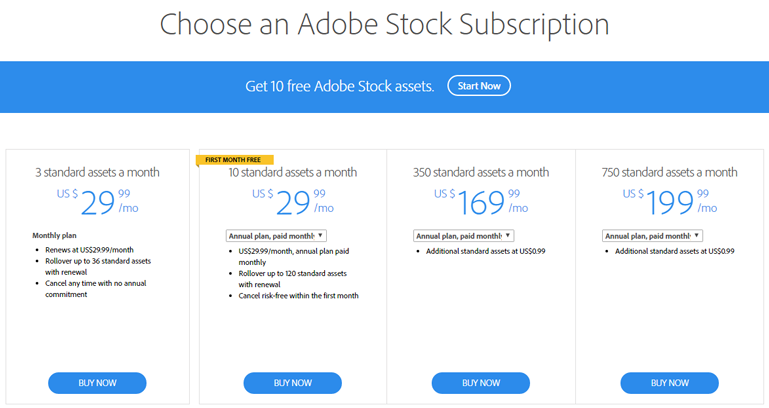
 Did you know that a 1-second delay in load equals fewer page views? It can also decrease customer satisfaction by 16% and can lead to 7% loss in conversions. That’s why it is necessary to improve the speed of your website. One of the most effective ways to do so is by optimizing your images. You don’t have to strip your webpage of all images to speed it up. You can simply optimize and compress them into a smaller size.